Optimal Timing for Japanese Knotweed Treatment
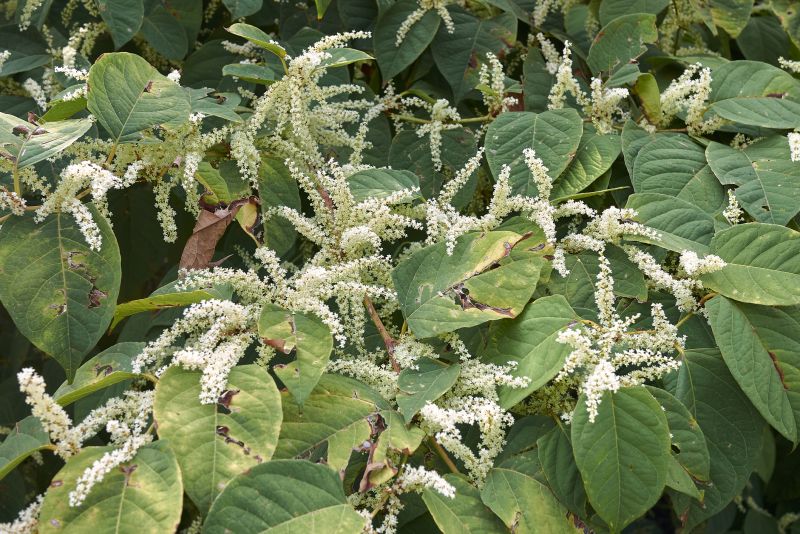
Applying treatment in spring targets the plant during active growth, increasing effectiveness.
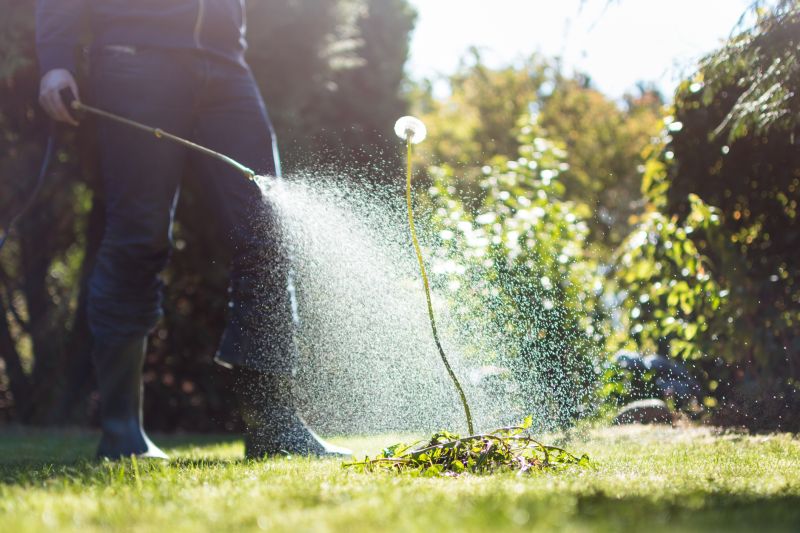
Summer is suitable for ongoing control, especially when the plant is fully developed.
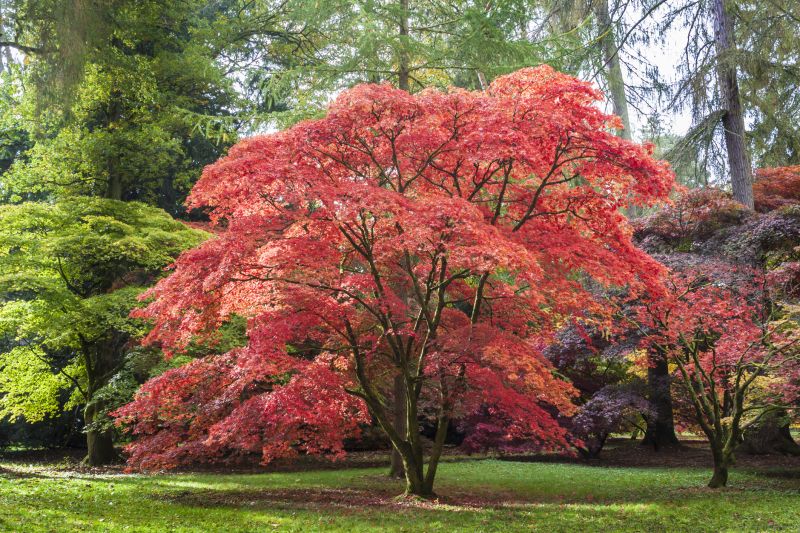
Autumn treatments can help weaken root systems before winter dormancy.
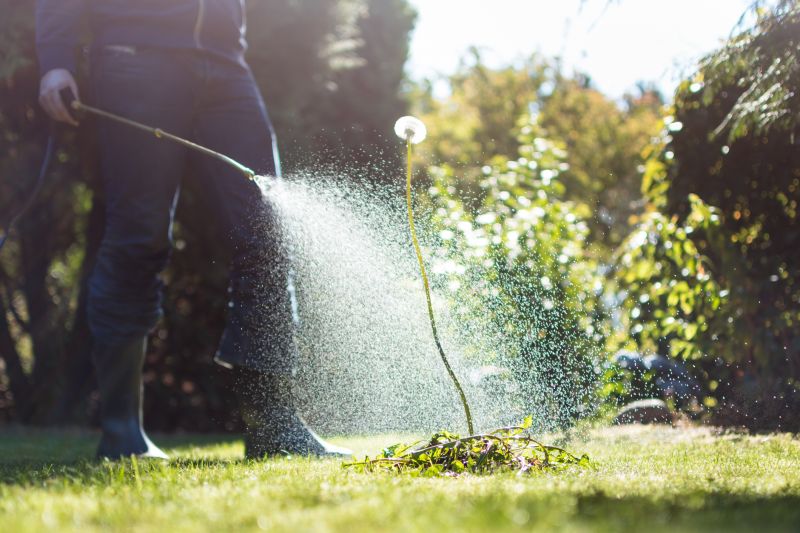
Ways to make Japanese Knotweed Treatment Service work in tight or awkward layouts.
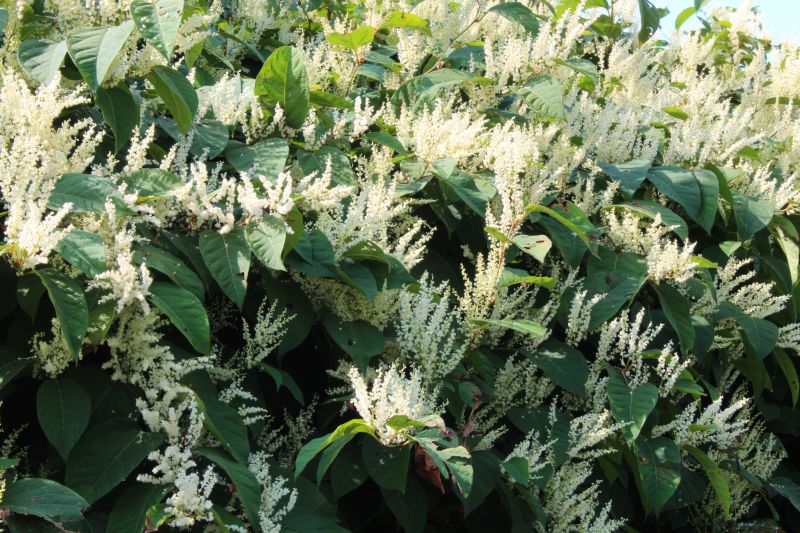
Popular materials for Japanese Knotweed Treatment Service and why they hold up over time.
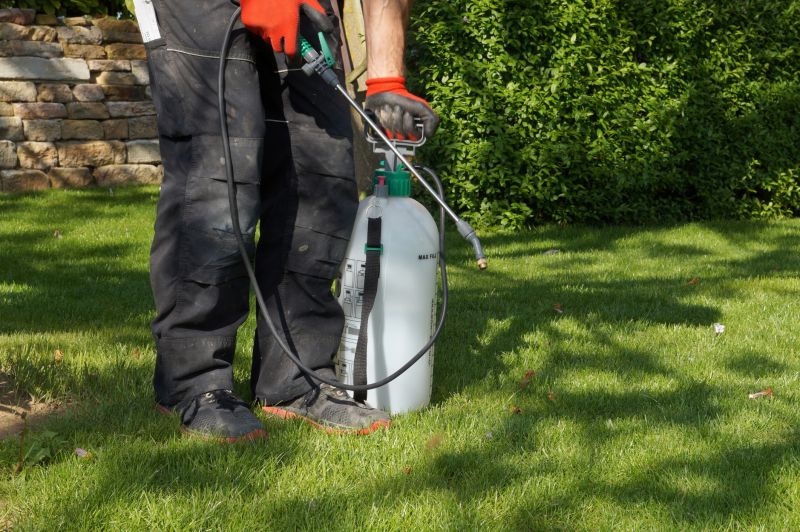
Simple add-ons that improve Japanese Knotweed Treatment Service without blowing the budget.
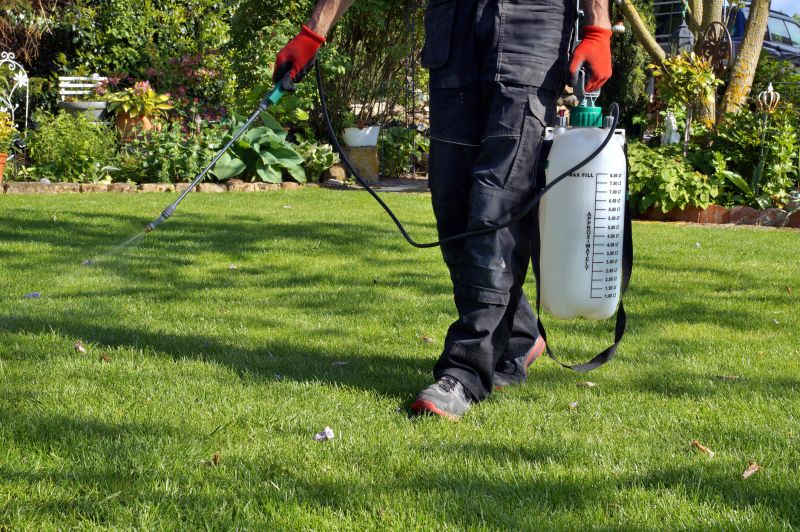
High-end options that actually feel worth it for Japanese Knotweed Treatment Service.

Finishes and colors that play nicely with Japanese Knotweed Treatment Service.
Japanese knotweed treatment timing is crucial for effective control. The plant's growth cycle influences the best periods for intervention. Early spring treatments can prevent rapid growth, while summer applications target mature plants. Autumn treatments may be used to weaken roots before dormancy, reducing regrowth in the following season.
Statistics indicate that treatments applied during active growth phases, typically spring and early summer, yield higher success rates. Proper timing minimizes the risk of spread and damage to nearby structures. The plant's lifecycle and local climate conditions should be considered when scheduling treatment to optimize results.
Understanding the plant's lifecycle helps determine optimal treatment times for effective management.
Treatment during peak growth phases ensures maximum absorption and control of the plant.
Climate and weather conditions can affect the best window for treatment application.
Repeated treatments aligned with growth cycles provide better long-term management of Japanese knotweed.
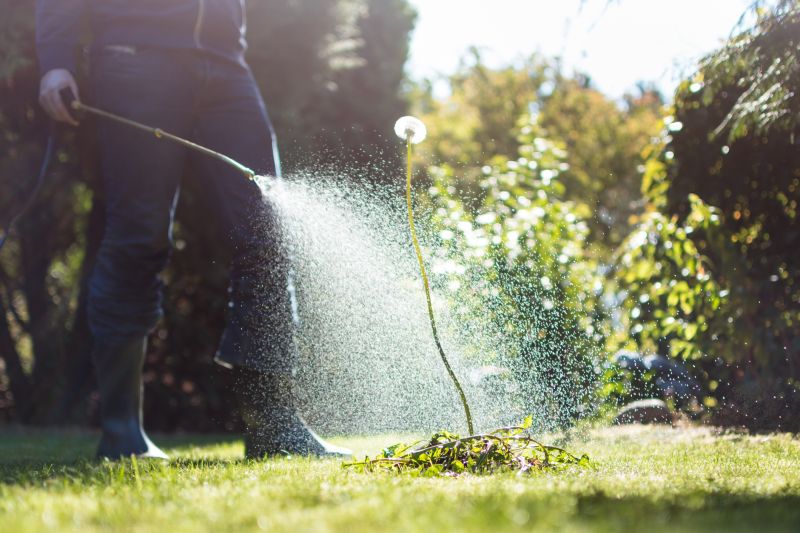
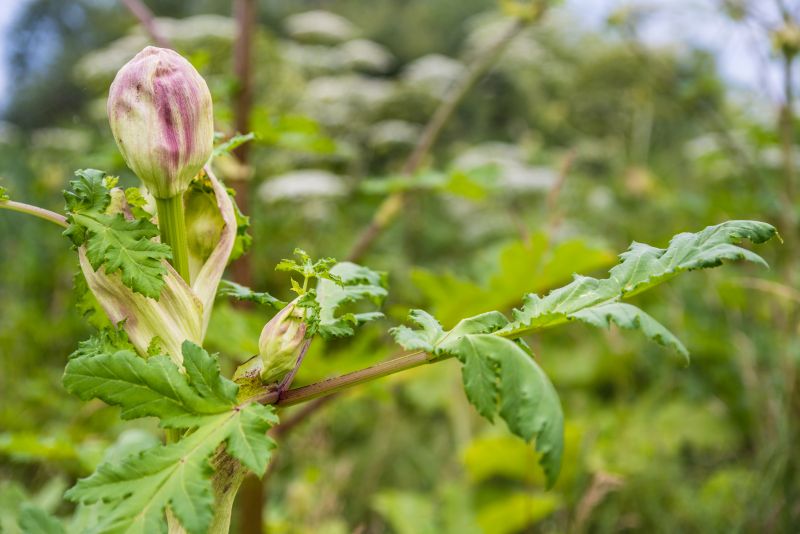
Targeting active growth for optimal control.

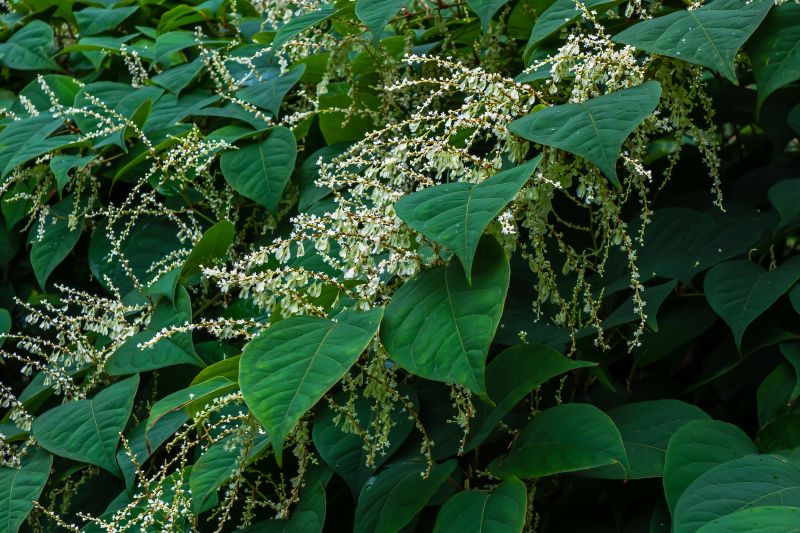
Managing mature plants during peak season.
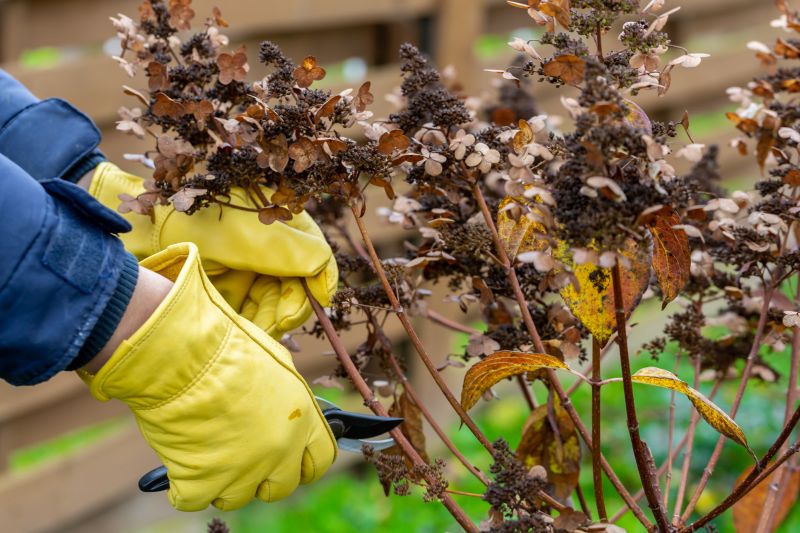
Preparing for dormancy to prevent regrowth.
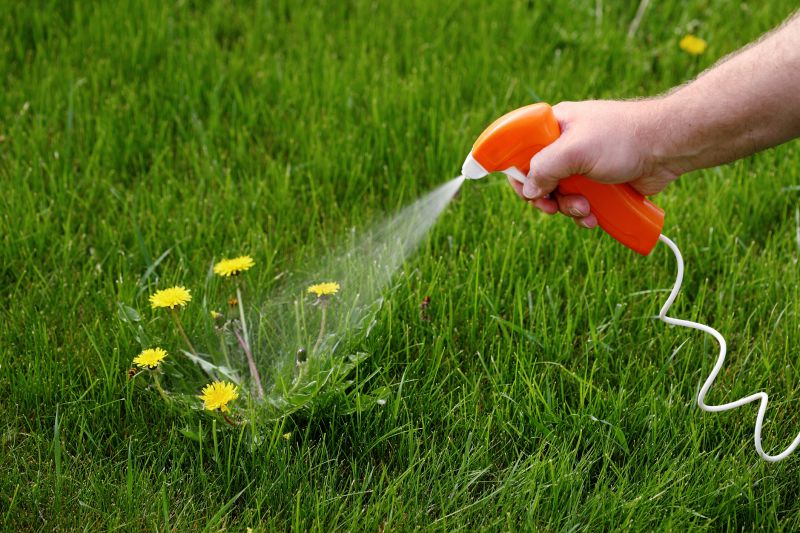
Timing is key to successful Japanese knotweed management.
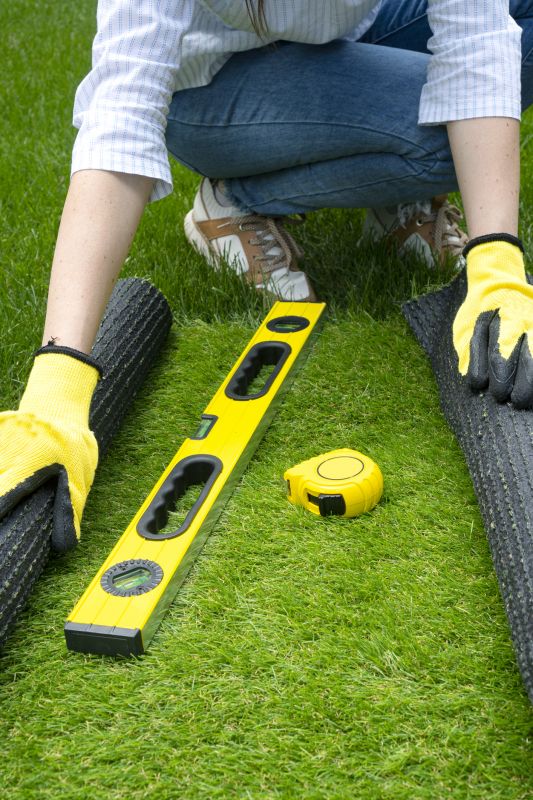
Little measurements that prevent headaches on Japanese Knotweed Treatment Service day.
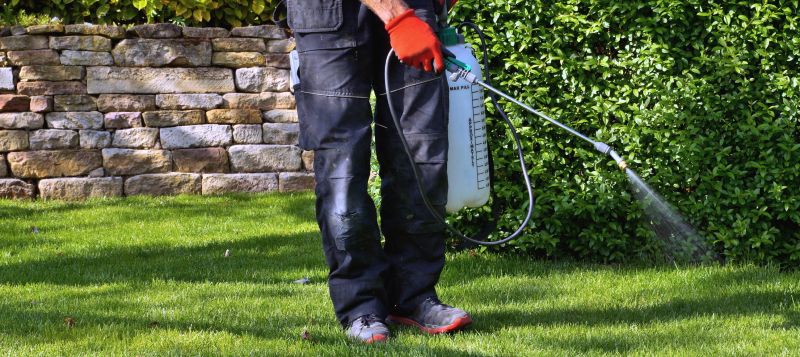
A 60-second routine that keeps Japanese Knotweed Treatment Service looking new.
A frequent mistake in Japanese Knotweed Treatment Service and how to dodge it.
Small tweaks to make Japanese Knotweed Treatment Service safer and easier to use.
| Season | Best Treatment Time |
|---|---|
| Spring | Early spring before rapid growth begins |
| Summer | Mid to late summer when plants are fully developed |
| Autumn | Late autumn before dormancy sets in |
| Winter | Generally not recommended due to plant dormancy |
| Post-Treatment | Follow-up in subsequent seasons for control |
Effective Japanese knotweed treatment depends on understanding the plant's growth stages. Timing treatments during active growth periods enhances herbicide absorption, increasing the likelihood of successful control. Proper scheduling also reduces the risk of spreading and minimizes damage to surrounding vegetation.
Consultation with a specialist can help determine the optimal timing based on local climate and specific site conditions. Regular monitoring and follow-up treatments are often necessary to achieve long-term management of Japanese knotweed infestations.
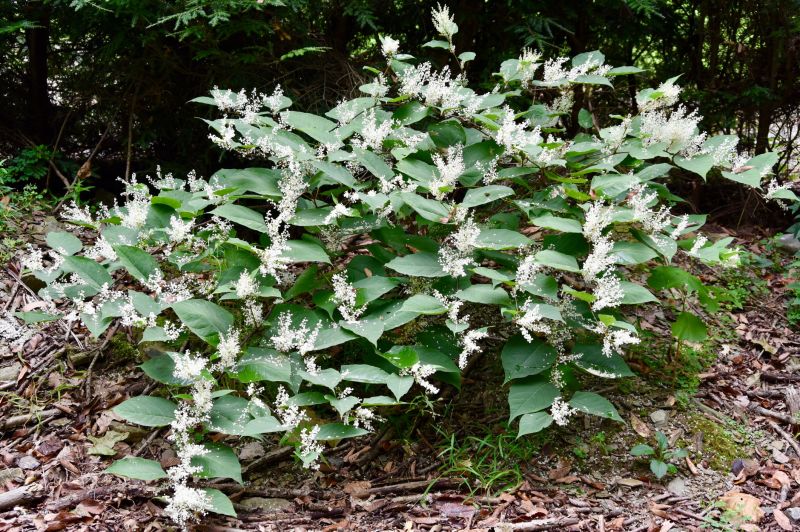
New growth emerging, ideal for early intervention.
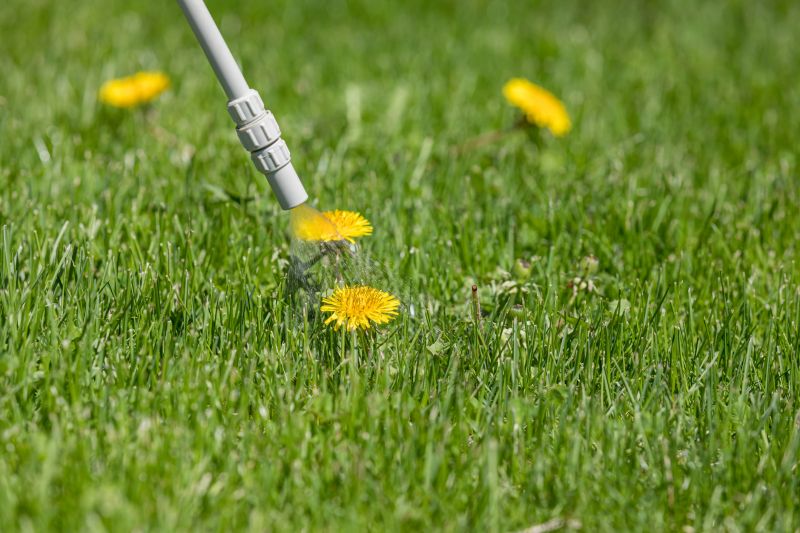
Full height and spread, suitable for targeted treatment.
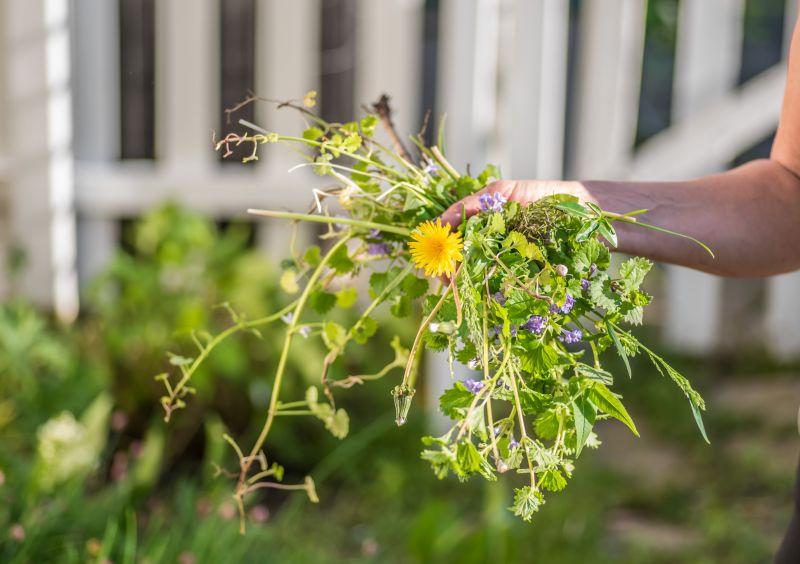
Less effective for treatment due to dormancy.
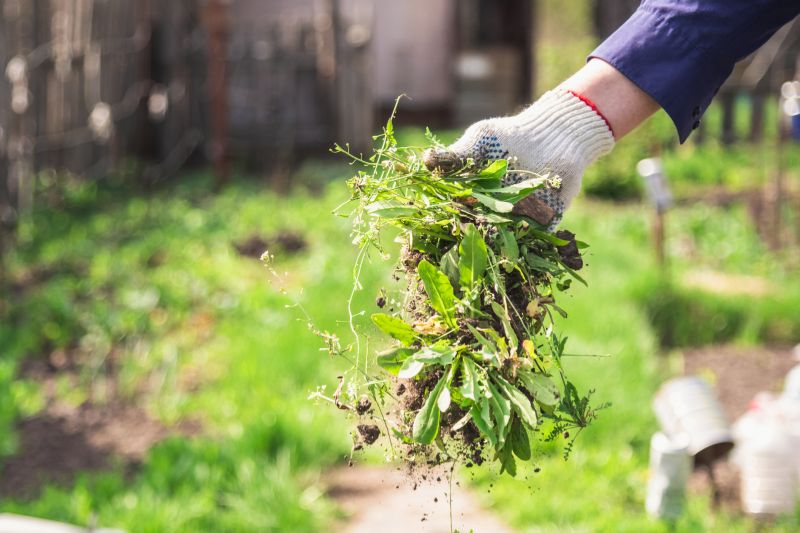
Lower-waste or water-saving choices for Japanese Knotweed Treatment Service.
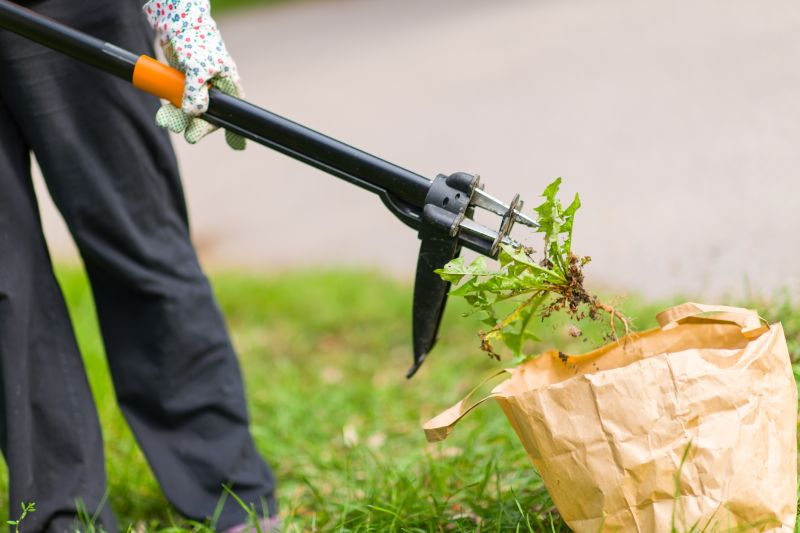
The short, realistic tool list for quality Japanese Knotweed Treatment Service.
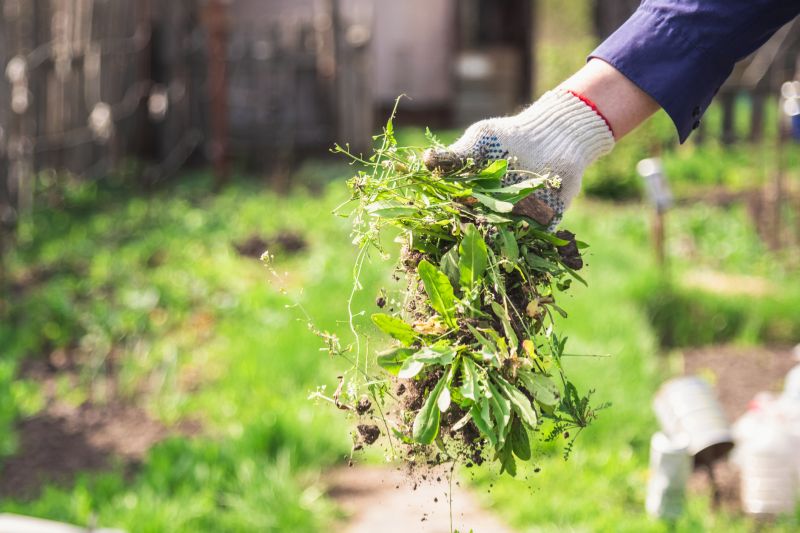
Rough timing from prep to clean-up for Japanese Knotweed Treatment Service.
Quick checks and paperwork to keep after Japanese Knotweed Treatment Service.
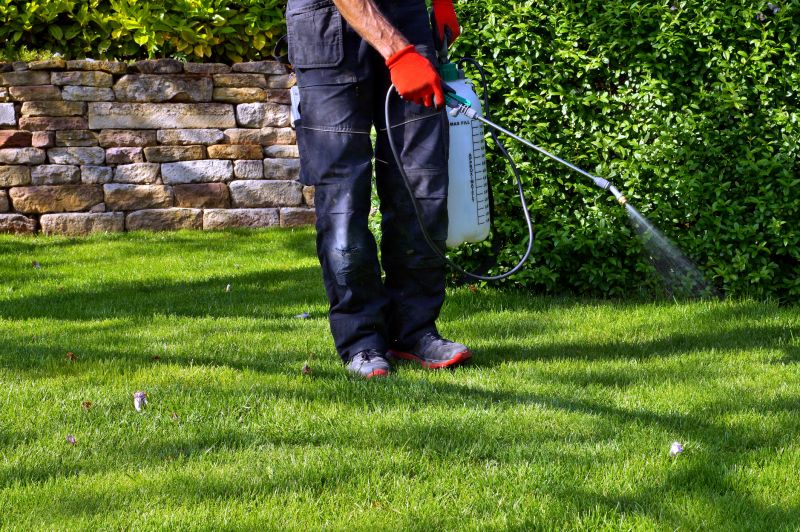
Examples that show the impact a good Japanese Knotweed Treatment Service can make.
Timely treatment of Japanese knotweed is essential for effective management. Recognizing the plant's growth stages and environmental conditions allows for strategic planning. Properly timed interventions can significantly reduce the spread and impact of this invasive species.
Individuals interested in Japanese knotweed treatment are encouraged to contact for further guidance and scheduling. Proper timing and treatment strategies can help control infestations effectively.