Get Japanese Knotweed Treatment Service in Canton, GA
Local contractors in Canton, GA, can help property owners remove Japanese Knotweed, prevent damage, and manage invasive growth on residential or commercial sites.
If property owners in Canton, GA, are facing concerns about Japanese knotweed encroaching on their land, they are in the right place to explore treatment options. Managing this invasive plant can be a practical step toward protecting property value, preventing damage to foundations or landscaping, and maintaining a safe outdoor environment. Considering local contractors who specialize in Japanese knotweed treatment can help develop a strategic plan tailored to the specific needs of properties in the area.
By comparing services offered by nearby professionals, property owners can identify experienced providers capable of addressing Japanese knotweed effectively. Whether planning for future development, safeguarding existing structures, or simply restoring the landscape, understanding the options available locally can support informed decisions. Keep reading to learn more about how local service providers can assist with Japanese knotweed management in Canton, GA.
- Residential properties - homeowners in neighborhoods like Westside or North Canton may need treatment to remove Japanese Knotweed from their yards.
- Commercial sites - businesses in commercial districts might require professional removal to prevent property damage and maintain site safety.
- Construction projects - builders and developers working on new developments in areas like BridgeMill may seek Japanese Knotweed treatment services to comply with regulations.
- Landscaping and garden areas - garden enthusiasts or property managers may need help controlling invasive growth in landscaped or public green spaces.
- Property management - landlords and HOA managers in subdivisions such as Bridgemill may contact local contractors to address Japanese Knotweed issues on multiple properties.
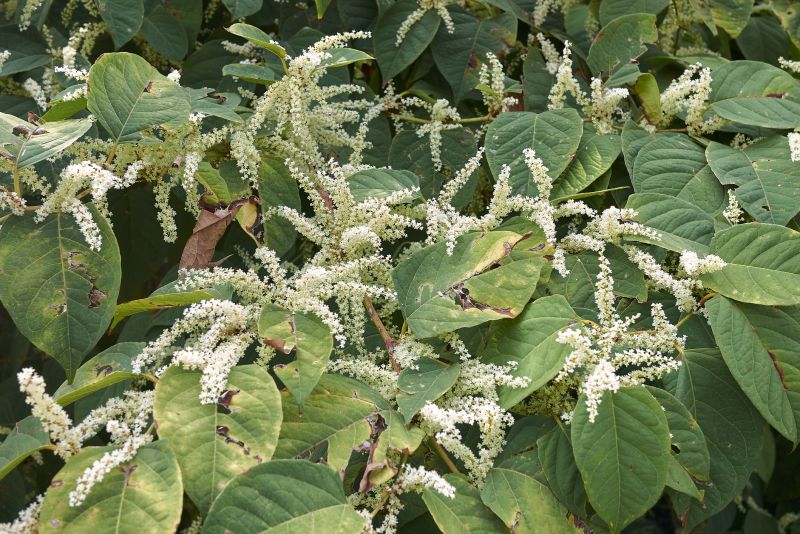
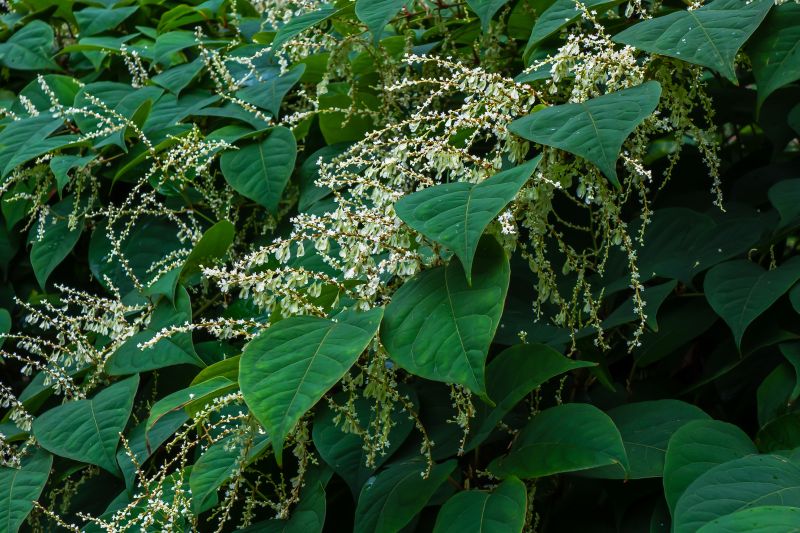
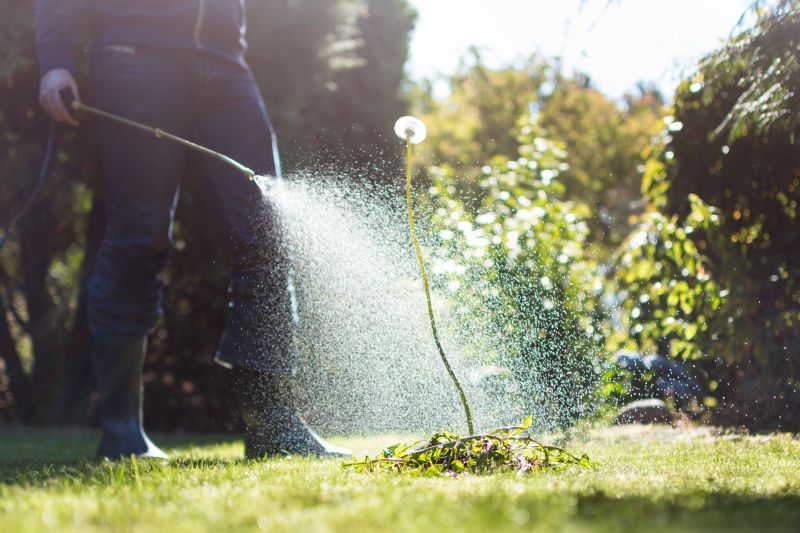
Japanese Knotweed Treatment Services involve specialized methods to identify, control, and remove invasive Japanese knotweed from residential and commercial properties. This service typically begins with a thorough assessment of the affected area to determine the extent of the infestation. Once identified, contractors employ targeted treatment options, which may include chemical herbicides or physical removal techniques, to eradicate the plant and prevent its regrowth. Proper treatment is essential to ensure that the knotweed does not spread further or cause damage to structures, foundations, or landscaping.
Japanese knotweed is known for its aggressive growth and resilience, making it a serious problem for property owners. It can cause structural damage by pushing through concrete, brickwork, and underground pipes, leading to costly repairs. Additionally, knotweed can interfere with drainage systems and compromise the stability of a property’s landscape. This service helps address these issues by removing the invasive plant and implementing measures to prevent future outbreaks, ultimately protecting the integrity and value of the property.
The treatment service is suitable for a variety of property types, including residential homes, commercial buildings, and land parcels. Homeowners who notice rapid or unusual plant growth near foundations, fences, or driveways may need professional assistance to assess and eliminate the problem. Commercial property owners, especially those with large plots or valuable landscaping, often seek treatment to avoid damage and maintain property value. Landowners with undeveloped or agricultural land may also benefit from knotweed removal to prevent it from spreading to neighboring properties or natural areas.
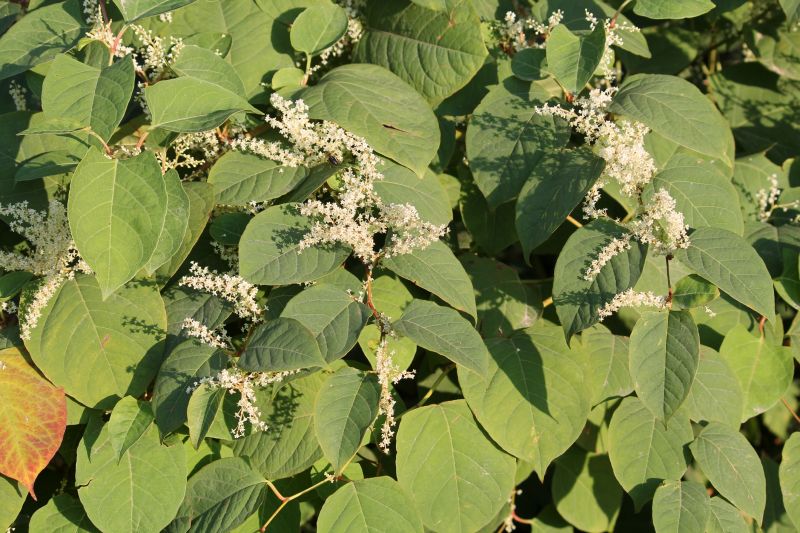
People considering Japanese knotweed treatment services should be aware of signs such as thick, bamboo-like stalks, dense clusters of leaves, or persistent growth in areas where plants should not normally thrive. Property owners who experience unexplained damage, cracking, or swelling in structures or pathways may need to consult with local contractors to evaluate whether knotweed is contributing to the problem. Connecting with experienced service providers ensures that the invasive plant is properly managed, helping to safeguard the property’s safety and appearance.
The overview below groups typical Japanese Knotweed Treatment Service projects into broad ranges so you can see how smaller, mid-sized, and larger jobs often compare in Canton, GA.
In many markets, a large share of routine jobs stays in the lower and middle ranges, while only a smaller percentage of projects moves into the highest bands when the work is more complex or site conditions are harder than average.
Smaller Repairs - Typical costs for minor treatments of localized Japanese Knotweed infestations range from $250 to $600. Many routine jobs fall within this range, covering small-scale eradication or containment efforts by local contractors.
Moderate Treatments - For more extensive infestations that require targeted removal or partial site treatment, costs generally range from $1,000 to $3,000. These projects are common in residential properties with moderate growth.
Large-Scale Projects - Larger, more complex treatments involving extensive excavation or multiple site visits can cost between $3,500 and $7,000. While less frequent, these projects are typical for larger properties or heavily infested areas.
Full Site Remediation - Complete removal and restoration of an entire property can exceed $10,000, depending on size and complexity. Such comprehensive efforts are less common but necessary for severe infestations or commercial sites.
Actual totals will depend on details like access to the work area, the scope of the project, and the materials selected, so use these as general starting points rather than exact figures.
Invasive Plant Removal - Local contractors skilled in removing invasive plant species often use similar techniques and equipment as those used for Japanese Knotweed treatment.
Landscaping and Site Clearing - Professionals involved in landscaping and site clearing frequently handle projects that require careful planning and control of unwanted vegetation like knotweed.
Soil Contamination and Remediation - Experts in soil remediation work with invasive roots and contaminated soil, sharing tools and methods used in knotweed management.
Foundation and Structural Excavation - Contractors performing foundation work or structural excavation are familiar with dealing with underground plant roots and soil disturbance similar to knotweed removal.
Drainage and Water Management Projects - Projects involving drainage improvements often require site assessment and control of invasive plant growth to prevent future issues.
Property Demolition and Clearance - Demolition specialists managing property clearance are experienced with removing persistent root systems and invasive vegetation like Japanese Knotweed.
When evaluating contractors for Japanese Knotweed treatment services, it’s important to consider their experience with similar projects in the Canton, GA area. Homeowners should look for service providers who have a proven track record of successfully managing knotweed issues on properties comparable to their own. Asking about previous work can help gauge whether a contractor understands the specific challenges associated with knotweed and can handle the unique conditions of local landscapes. An experienced professional is more likely to recommend effective treatment methods and provide guidance tailored to the local environment.
Clear, written expectations are essential when choosing a service provider for Japanese Knotweed treatment. Homeowners should seek contractors who can provide detailed descriptions of the work scope, methods, and any necessary follow-up steps in writing. This transparency helps ensure there is a shared understanding of what the project entails and what results can be reasonably anticipated. Reputable local contractors are typically willing to outline their approach and answer questions upfront, which can help avoid misunderstandings and establish a solid foundation for the project.
Good communication and reputable references are key indicators of a dependable service provider. Homeowners are encouraged to ask for references from previous clients or read reviews to gain insight into the contractor’s reliability and professionalism. Effective communication throughout the process-whether in answering questions, providing updates, or clarifying procedures-can make the entire experience smoother. Connecting with local service providers who prioritize clear dialogue and have positive references can increase confidence that the knotweed treatment will be handled competently and with attention to detail.
Property owners in Canton, GA use Japanese Knotweed Treatment Service services for practical projects around their homes and businesses. This guide focuses on everyday jobs and straightforward project options.
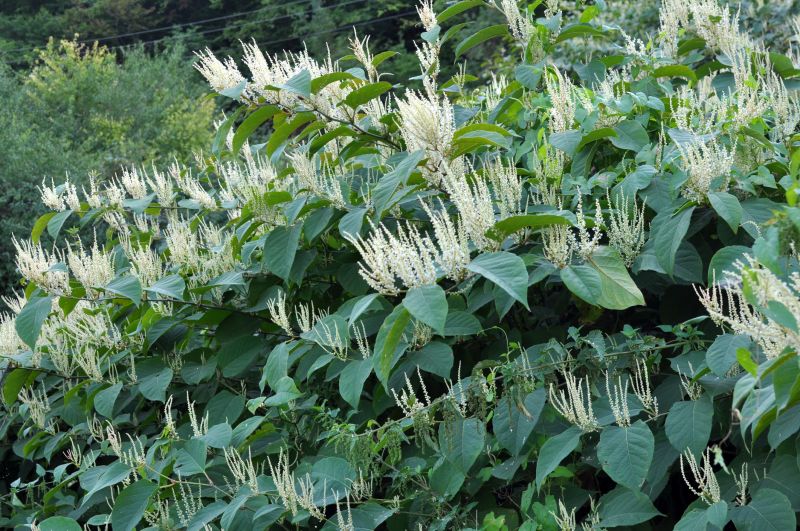
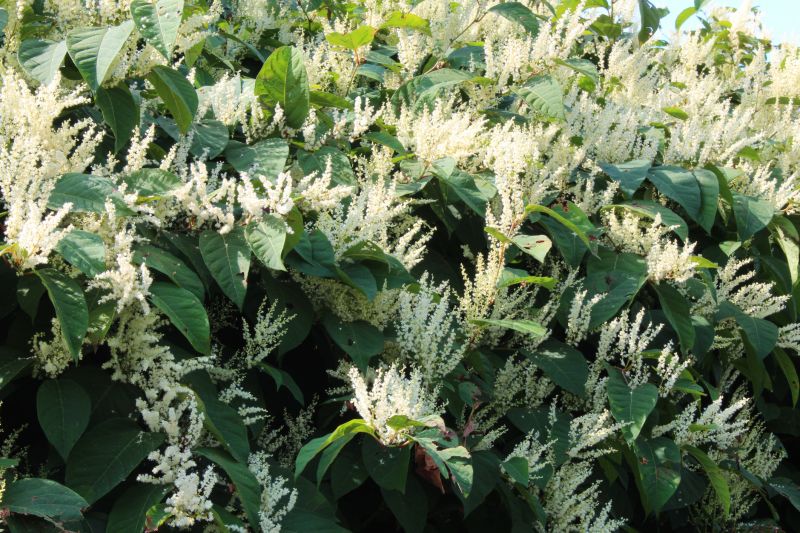
Homeowners in Canton, GA, may seek Japanese Knotweed treatment services when this invasive plant begins to spread across their property, threatening to damage landscaping or interfere with property boundaries. Property owners often notice thick, bamboo-like stalks emerging in their yards or along fences, prompting concerns about potential structural damage or the impact on future property value. Local contractors experienced in knotweed removal can help address these issues, providing solutions to eliminate the plant and prevent its regrowth.
In other cases, property owners might look for Japanese Knotweed treatment services when planning to sell or develop land in Canton, GA. Since the presence of knotweed can complicate property transactions or development projects, many seek the assistance of local service providers who specialize in invasive plant removal. These professionals can assess the situation, recommend appropriate treatment options, and help ensure the property complies with local regulations, making it easier to move forward with property improvements or sales.
What is Japanese Knotweed and why is it a problem? Japanese Knotweed is an invasive plant that can cause damage to foundations, pavements, and drainage systems, making professional treatment important for property protection.
How do local contractors typically treat Japanese Knotweed? They often use methods such as herbicide application, excavation, or a combination of both to effectively manage and remove Japanese Knotweed infestations.
Can Japanese Knotweed be completely eradicated from a property? While complete removal is possible with proper treatment, it often requires ongoing management to ensure the plant does not return.
What should be considered when choosing a Japanese Knotweed treatment service? It's important to select experienced local service providers who use approved methods to handle invasive plant removal safely and effectively.
Is it necessary to notify authorities before treating Japanese Knotweed? In some areas, property owners may need to inform local authorities or adhere to specific regulations when managing Japanese Knotweed, so consulting with a local contractor is recommended.
Property Clearance - Local contractors can help remove Japanese Knotweed to ensure a safe and clear outdoor space for gardening or outdoor activities.
Landscaping Improvements - Using professional treatment services can prepare a yard for new planting or landscaping projects by eliminating invasive growth.
Construction Site Preparation - Contractors can treat affected areas before building or extending structures to prevent future issues with invasive plants.
Garden Restoration - Service providers can assist in restoring garden areas by removing Japanese Knotweed and promoting healthy plant growth.
If you are thinking about Japanese Knotweed Treatment Service for a property in Canton, GA, this guide is meant to help you understand the work, the typical project types, and how different options might fit your plans.
When you are ready, you can use the quote form on this page to share a few details about your project. From there, local pros can review the basics and respond with options that match what you have in mind.