Poison Ivy Removal in Burlington County, NJ
Poison ivy removal services focus on safely eliminating this common and irritating plant from residential properties, including yards, gardens, and wooded areas. These services typically involve identifying the presence of poison ivy and employing specialized techniques to remove it entirely, preventing regrowth and reducing the risk of skin irritation or allergic reactions for property occupants. Projects may range from clearing small patches along fences or pathways to larger-scale removal of infestations in wooded or landscaped areas, ensuring the property remains safe and accessible.
Homeowners interested in poison ivy removal should understand the importance of proper identification and the potential hazards involved with handling the plant. It’s helpful to know whether the removal will include root extraction to prevent regrowth and if any follow-up treatments are recommended. Clarifying the scope of the project and any specific concerns about nearby plants or landscaping can ensure the service meets the property's needs effectively.
Many property owners in Burlington County, NJ look into Poison Ivy Removal for repairs, replacements, upgrades, and appearance-related improvements.
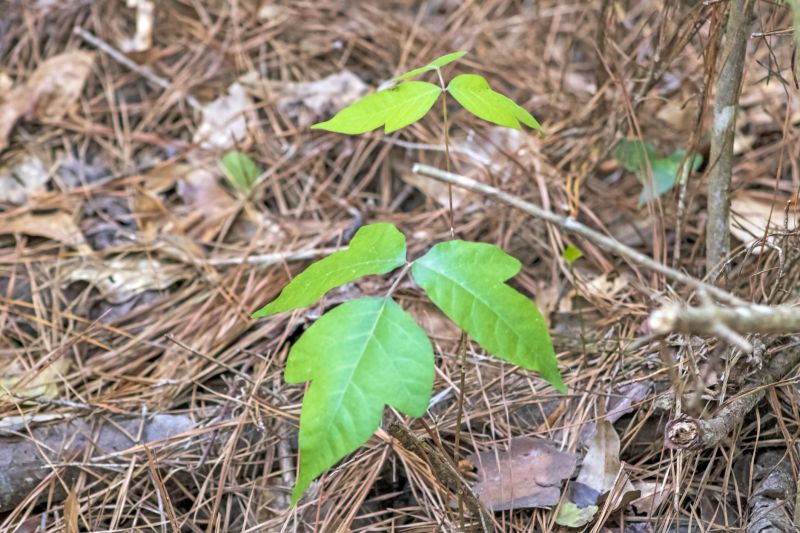
Identifying Poison Ivy
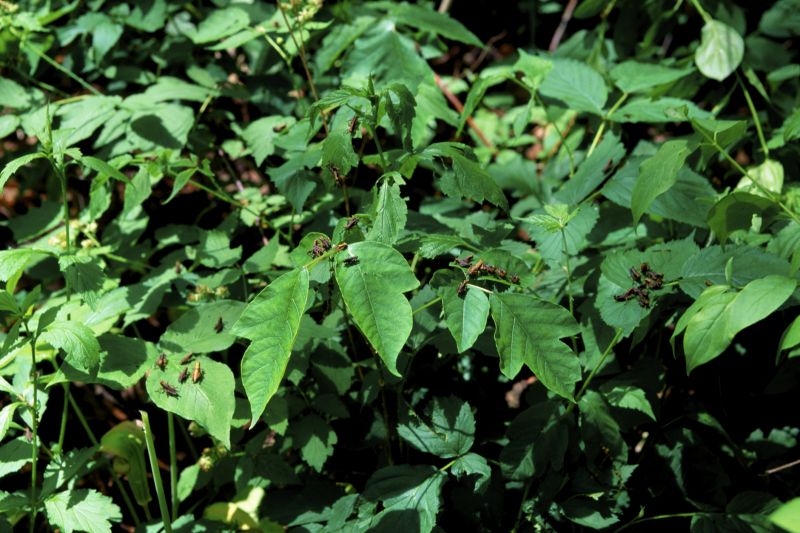
Recognizing the signs of poison ivy on residential and commercial properties in burlington county helps prevent skin irritation and plant spread.
Safe Removal Techniques
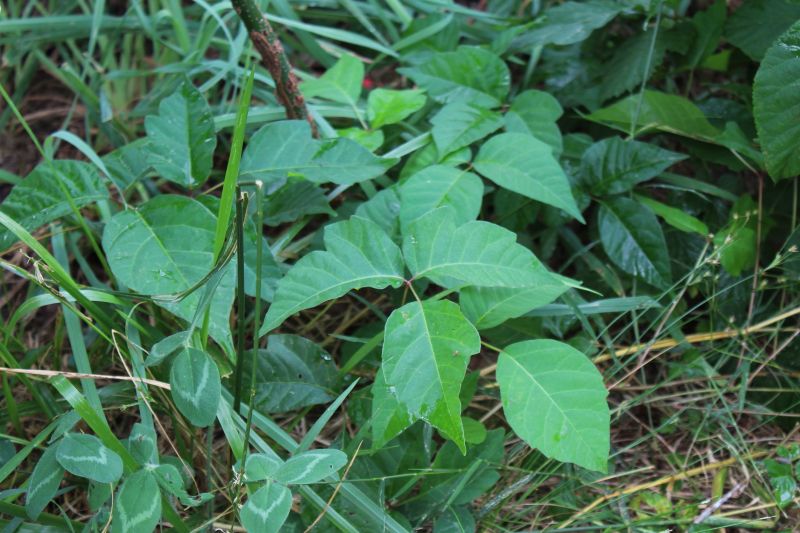
Professional poison ivy removal involves careful handling to protect property and surrounding landscape from damage.
Preventative Maintenance
Ongoing management can reduce the risk of poison ivy regrowth and keep outdoor spaces safe for families and visitors.
Poison Ivy Removal in Burlington County, NJ
Poison ivy removal services focus on safely eliminating this common and irritating plant from residential properties, including yards, gardens, and wooded areas. These services typically involve identifying the presence of poison ivy and employing specialized techniques to remove it entirely, preventing regrowth and reducing the risk of skin irritation or allergic reactions for property occupants. Projects may range from clearing small patches along fences or pathways to larger-scale removal of infestations in wooded or landscaped areas, ensuring the property remains safe and accessible.
Homeowners interested in poison ivy removal should understand the importance of proper identification and the potential hazards involved with handling the plant. It’s helpful to know whether the removal will include root extraction to prevent regrowth and if any follow-up treatments are recommended. Clarifying the scope of the project and any specific concerns about nearby plants or landscaping can ensure the service meets the property's needs effectively.
Many property owners in Burlington County, NJ look into Poison Ivy Removal for repairs, replacements, upgrades, and appearance-related improvements.
Common Poison Ivy Removal Jobs
Poison Ivy Removal - Safe removal of poison ivy from lawns, gardens, and wooded areas.
Yard Clearing - Clearing overgrown poison ivy to improve property safety and appearance.
Landscaping Maintenance - Managing invasive plants like poison ivy during regular landscaping.
Property Cleanup - Removing poison ivy from outdoor spaces after storm or seasonal cleanup.
Vegetation Control - Targeted removal of poison ivy to prevent spread and protect nearby plants.
Hazard Prevention - Eliminating poison ivy to reduce skin irritation risks for residents and visitors.
Poison Ivy Removal Questions
What causes poison ivy to grow on properties? Poison ivy spreads through seed dispersal and can grow in shaded or disturbed areas, often appearing as vines or shrubs on trees, fences, and ground cover.
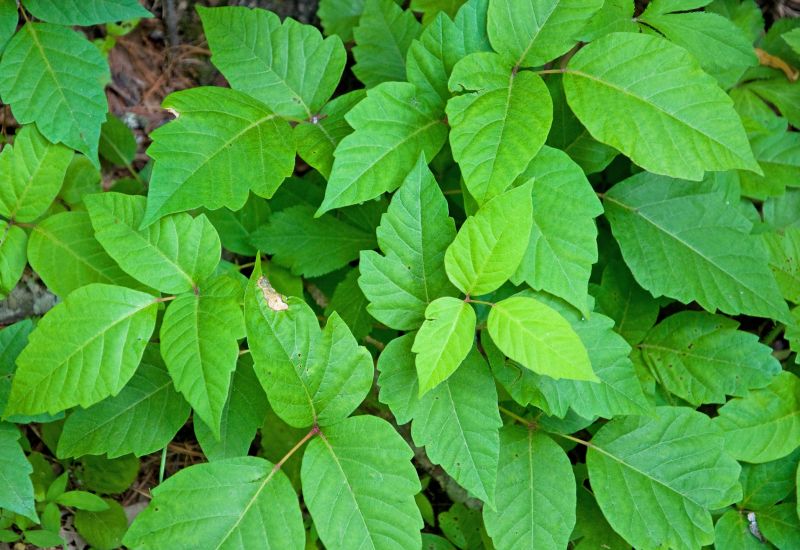
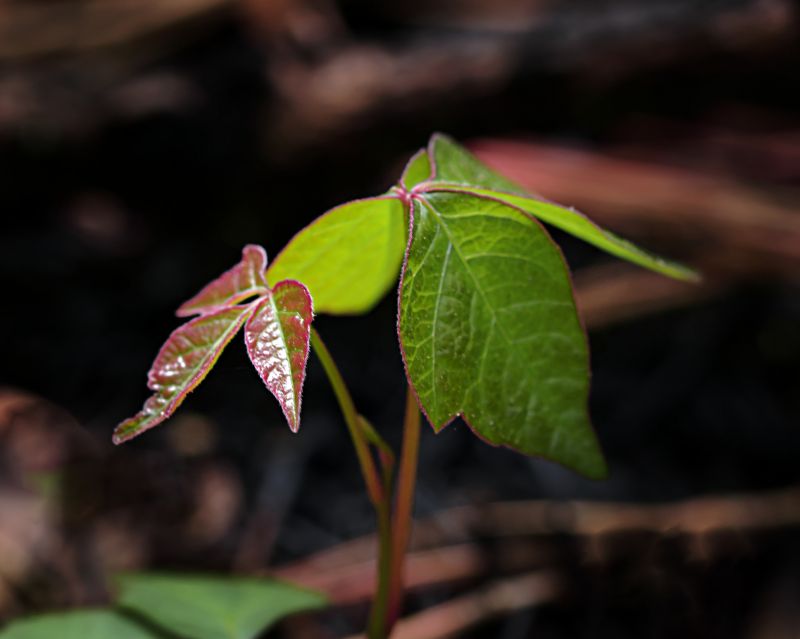
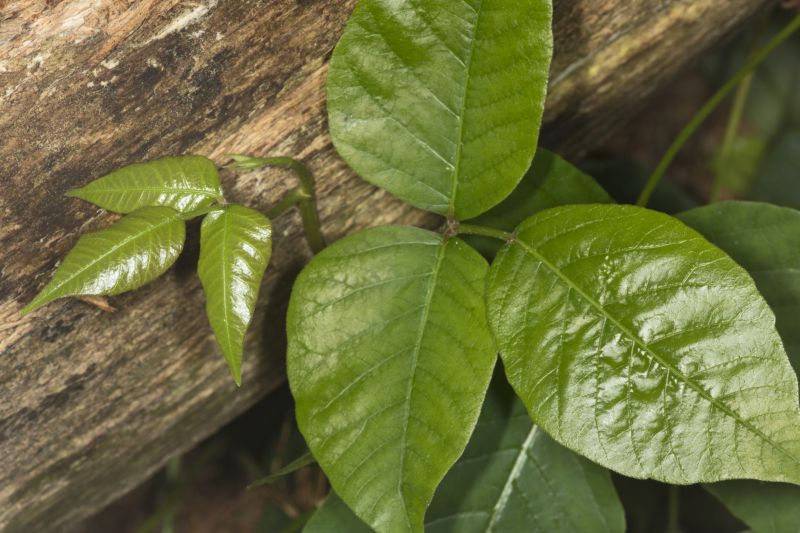
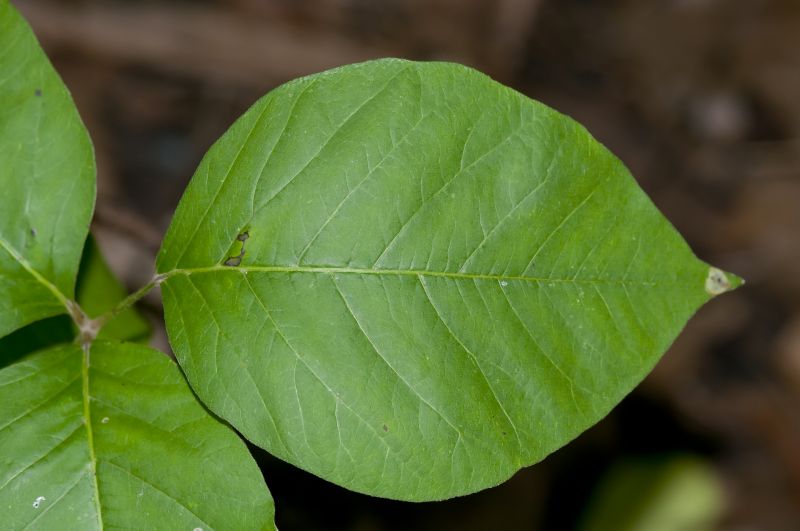
How can property owners identify poison ivy? It typically has three leaflets with a shiny surface and may develop reddish stems or clusters of berries, especially in late summer and fall.
Is removal of poison ivy safe for homeowners? Professional removal is recommended to ensure safe handling and proper eradication, especially in hard-to-reach areas or dense growth.
What are common projects requiring poison ivy removal? Projects often include clearing overgrown yards, landscaping renovations, fence or deck construction, and maintaining safety around residential properties.
Request Poison Ivy Removal in Burlington County, NJ
Use the quote form on this page to share the basics of your project and request more information for the type of work you need.