Get Japanese Knotweed Treatment Service in Woodstock, GA
Local contractors in Woodstock, GA, can help property owners remove Japanese knotweed, prevent damage to foundations and landscapes, and handle invasive plant removal projects.
Property owners in Woodstock, GA, facing concerns about Japanese Knotweed can find valuable assistance by exploring specialized treatment services available in the area. Addressing this invasive plant early can help protect property value, prevent damage to foundations and landscaping, and ensure compliance with local regulations. Since managing Japanese Knotweed requires specific knowledge and experience, connecting with experienced contractors can provide clarity and confidence during planning and decision-making processes.
By comparing local service providers, property owners can identify professionals equipped to handle Japanese Knotweed treatment effectively. Whether planning for future property development, safeguarding landscaping, or simply seeking to eliminate this persistent weed, understanding the options available nearby can make the process smoother. Keep reading to discover how trusted local contractors can support your efforts in maintaining a healthy and secure property in Woodstock, GA.
- Japanese Knotweed Removal - needed when invasive plants threaten residential or commercial properties in neighborhoods around Woodstock, GA.
- Knotweed Treatment - required to eliminate persistent growth that can damage foundations and underground utilities.
- Invasive Plant Control - sought when Japanese knotweed encroaches on landscaped areas or natural habitats nearby.
- Vegetation Management - essential for property owners dealing with overgrown or rapidly spreading knotweed in local yards.
- Property Preservation Services - necessary to prevent structural damage caused by invasive Japanese knotweed on homes and commercial buildings.
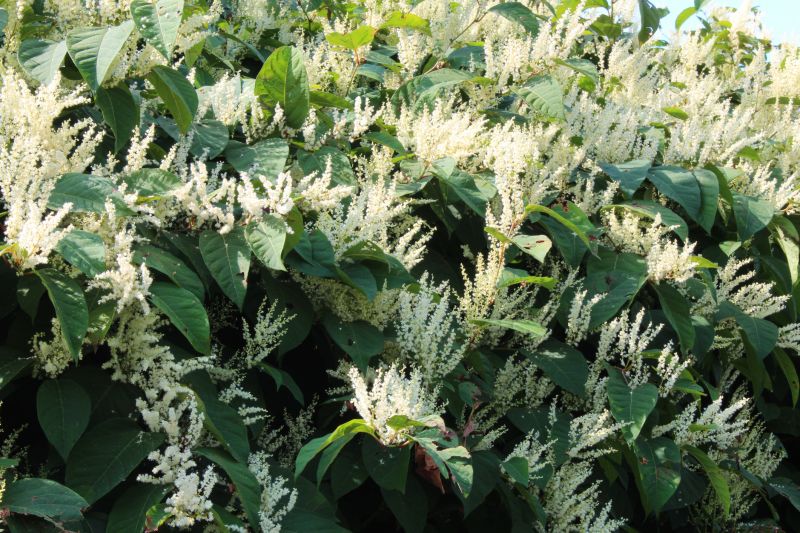
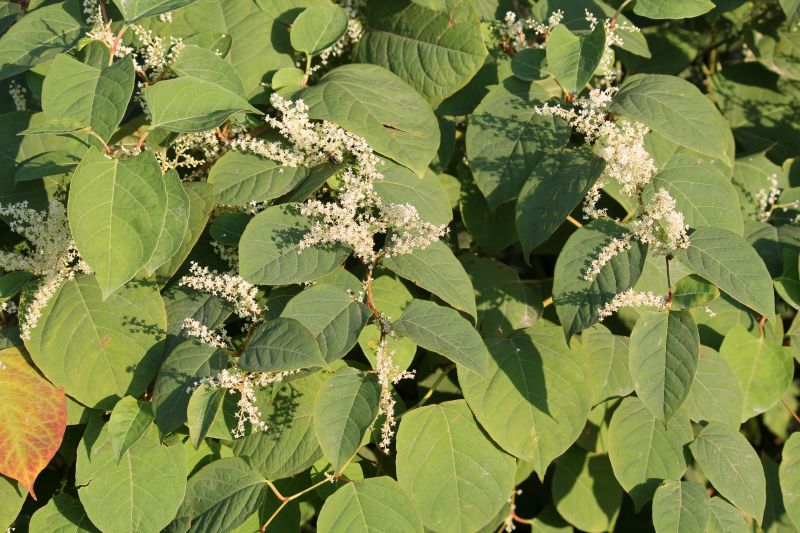
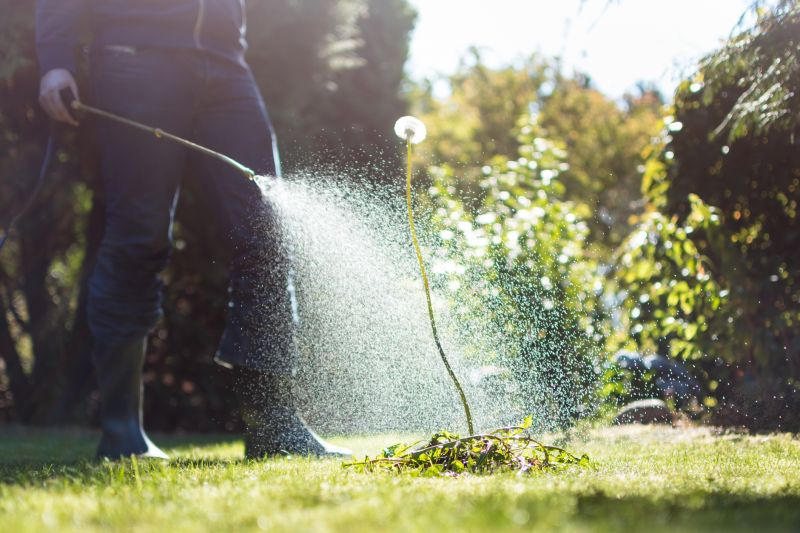
Japanese Knotweed treatment services involve the identification and removal of this invasive plant from residential and commercial properties. Skilled service providers typically conduct a thorough assessment to determine the extent of the infestation, followed by tailored treatment plans. These plans often include physical removal, chemical treatments, or a combination of methods to ensure the knotweed is effectively eradicated. The goal is to prevent the plant from spreading further and to protect the integrity of the property’s landscape and structure.
This invasive species is known for its rapid growth and ability to cause significant problems if left unchecked. It can damage foundations, pavements, and drainage systems by forcing its way through cracks and gaps. Japanese Knotweed can also interfere with the stability of retaining walls and other structural elements, posing safety risks and potential costly repairs. Treatment services help homeowners resolve these issues by eliminating the plant before it causes extensive damage, ensuring the property remains safe and structurally sound.
Japanese Knotweed treatment is commonly used on a variety of property types, including residential gardens, commercial sites, and land development projects. Homeowners who notice tall, bamboo-like stalks or dense, patchy growth in their yard may need treatment to prevent the plant from spreading or causing damage. Similarly, property developers and landowners often seek treatment to prepare sites for construction or sale, as knotweed presence can hinder planning permissions and property value. These services are suitable for any property where the plant has begun to establish itself or is threatening to do so.
Homeowners who experience unexplained damage to driveways, fences, or foundations, or notice rapid, aggressive plant growth in their yard, might need Japanese Knotweed treatment services. The problem often becomes more urgent when the plant is close to property boundaries or near underground utilities. Local contractors specializing in knotweed removal can help assess the severity of the infestation and recommend the most effective treatment options. Engaging professionals early can help prevent long-term structural issues and protect the value of the property.
The overview below groups typical Japanese Knotweed Treatment Service projects into broad ranges so you can see how smaller, mid-sized, and larger jobs often compare in Woodstock, GA.
In many markets, a large share of routine jobs stays in the lower and middle ranges, while only a smaller percentage of projects moves into the highest bands when the work is more complex or site conditions are harder than average.
Smaller Removals - Typical costs for removing small patches of Japanese Knotweed range from $250 to $600. Many routine jobs fall within this middle range, depending on the extent of the infestation and site accessibility. Fewer projects reach the higher end of this spectrum for larger or more stubborn areas.
Standard Treatment - Treating moderate-sized infestations usually costs between $1,000 and $3,000. Local contractors often see many projects in this range, with larger or more complex sites pushing costs higher but remaining less common.
Extensive or Multiple Sites - Large-scale treatments covering extensive areas can range from $3,500 to $7,000 or more. Such projects are less frequent and typically involve multiple or heavily infested sites requiring advanced treatment methods.
Full Site Remediation - Complete removal and site restoration can cost $8,000 or higher, especially for extensive or challenging properties. These higher costs are less common and usually involve comprehensive, multi-phase efforts by experienced local service providers.
Actual totals will depend on details like access to the work area, the scope of the project, and the materials selected, so use these as general starting points rather than exact figures.
Invasive Plant Removal - Professionals skilled in removing invasive plant species utilize similar techniques and planning as those used in Japanese Knotweed treatment to ensure effective eradication.
Landscaping and Site Clearing - Land clearing services often require knowledge of plant management and site assessment, making them comparable to knotweed treatment projects.
Soil Contamination Remediation - Remediation specialists address soil issues caused by invasive plants, applying similar planning and equipment as used in knotweed control efforts.
Garden and Yard Renovation - Gardeners and landscapers involved in yard renovations often deal with invasive species management as part of preparing sites for new planting.
Drainage and Ground Stabilization - Projects focused on ground stabilization and drainage can involve managing root systems and soil disturbance similar to knotweed removal processes.
Property Demolition and Site Preparation - Demolition contractors preparing sites for construction often handle invasive root systems and soil clearing akin to Japanese Knotweed treatments.
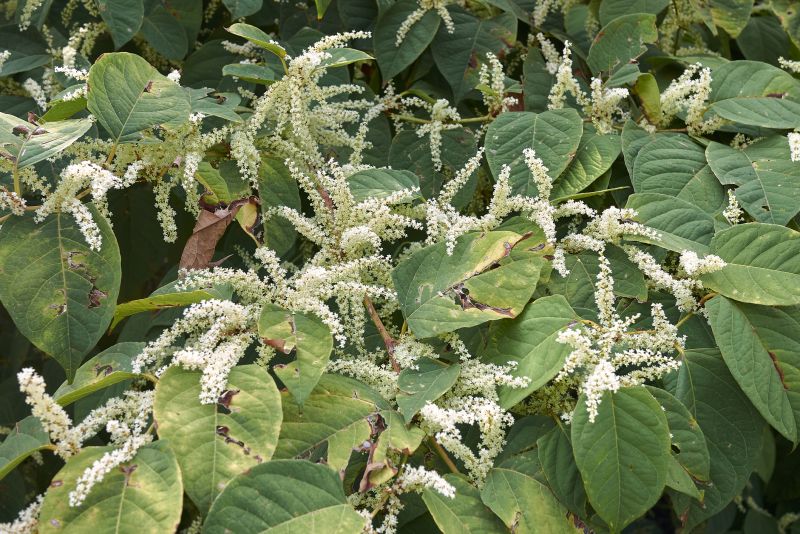
When comparing service providers for Japanese Knotweed treatment, it’s important to consider their experience with similar projects. Homeowners should inquire whether the contractors have handled cases involving knotweed in properties like theirs, as familiarity with the specific challenges and effective treatment methods can make a significant difference. An experienced professional will understand the nuances of different site conditions and plant growth patterns, which can contribute to a more successful and lasting solution.
Clear, written expectations are essential for ensuring that homeowners and contractors are aligned on the scope of work, treatment procedures, and any necessary follow-up. Service providers should be willing to provide detailed descriptions of their approach, what the process entails, and what results can reasonably be expected. Having this information in writing helps prevent misunderstandings and provides a reference point throughout the project.
Reputable references and good communication are key factors when selecting a local contractor. Homeowners should seek out service providers who can offer references from previous clients with similar projects, demonstrating their track record of successful knotweed treatments. Additionally, clear and prompt communication from the contractor can help address questions, clarify procedures, and foster confidence in the process. It’s important to remember that this site introduces homeowners to local options, serving as a resource to connect with qualified service providers rather than performing the work directly.
Property owners in Woodstock, GA use Japanese Knotweed Treatment Service services for practical projects around their homes and businesses. This guide focuses on everyday jobs and straightforward project options.
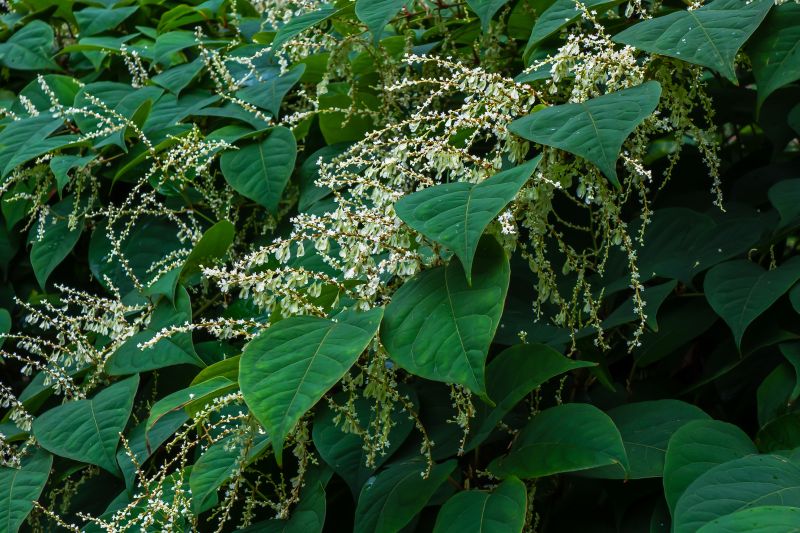
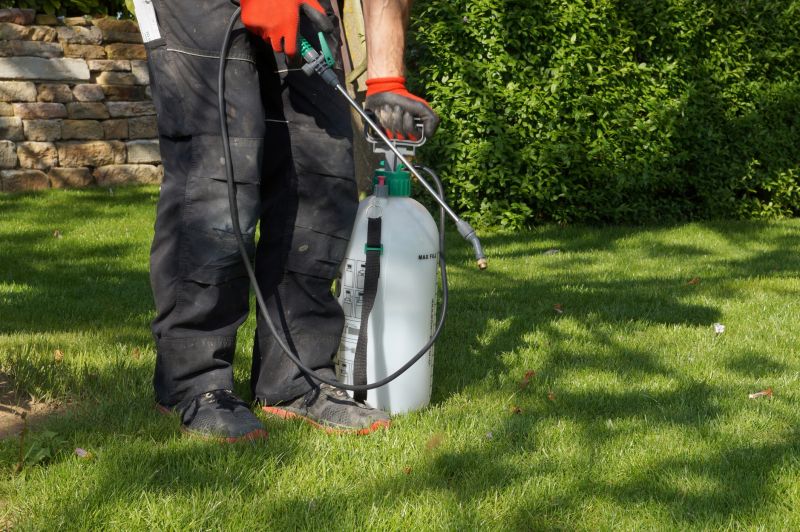
Homeowners in Woodstock, GA, often seek Japanese Knotweed treatment services when they notice invasive plants encroaching on their yards or near their properties. This aggressive weed can threaten landscaping, block sunlight, and cause damage to nearby structures if left unmanaged. Property owners might look for local contractors who specialize in invasive plant removal to help restore the health and appearance of their outdoor spaces. Whether preparing a property for sale or simply wanting to maintain a safe and attractive environment, finding experienced service providers is a common step in managing this persistent problem.
In addition, those planning to develop or sell land in Woodstock may turn to local professionals to ensure Japanese Knotweed is properly controlled or eradicated. This is especially important for properties with potential for future construction or landscaping projects, as the presence of invasive plants can complicate permits or inspections. Property owners seeking reliable solutions often contact nearby contractors who have experience handling invasive species, aiming to protect their investments and keep their properties compliant with local regulations.
What is Japanese Knotweed and why is it a problem? Japanese Knotweed is an invasive plant that can cause damage to foundations, walls, and drainage systems if left untreated. Local contractors offer treatments to manage and remove it effectively.
How do professionals typically treat Japanese Knotweed? Treatment methods often include chemical applications, excavation, or a combination of techniques to control and eradicate the plant from affected areas.
Can Japanese Knotweed be completely removed? While complete removal can be challenging, experienced service providers use proven methods to significantly reduce or eliminate the plant's presence.
What signs indicate Japanese Knotweed is present on a property? Common signs include tall, bamboo-like stalks, dense clusters of leaves, and persistent growth along walls, fences, or garden areas.
Why should property owners hire local contractors for Japanese Knotweed treatment? Local service providers have knowledge of the area and experience with local invasive species, helping ensure effective treatment tailored to specific property conditions.
Property Renovation Planning - Consider removing Japanese Knotweed before starting landscaping or construction projects to prevent future issues.
Garden and Landscape Maintenance - Use this service to identify and manage invasive plants that could affect garden health and growth.
Real Estate Transactions - Ensure properties are free of Knotweed to meet sale requirements and avoid delays in the selling process.
Land Development Projects - Incorporate treatment services into site preparation to maintain compliance and protect land value.
If you are thinking about Japanese Knotweed Treatment Service for a property in Woodstock, GA, this guide is meant to help you understand the work, the typical project types, and how different options might fit your plans.
When you are ready, you can use the quote form on this page to share a few details about your project. From there, local pros can review the basics and respond with options that match what you have in mind.