Get Japanese Knotweed Treatment Service in Maryville, TN
Local contractors in Maryville, TN, can help property owners eliminate Japanese Knotweed, preventing property damage and invasive spread through removal and treatment projects.
Property owners in Maryville, TN, facing concerns about Japanese Knotweed can find valuable assistance by exploring specialized treatment services available in the area. Managing this invasive plant is an important step in maintaining the integrity of a property’s landscape and preventing potential damage to foundations, pathways, and nearby structures. By considering local contractors experienced in Japanese Knotweed removal, property owners can plan effective projects tailored to their specific needs with confidence.
As you evaluate options for Japanese Knotweed treatment, it’s helpful to compare the services offered by different local providers. Many service providers have the expertise to develop customized plans that address the unique conditions of properties in Maryville and surrounding communities. Continuing to explore your options can lead to finding the right professionals who can assist with planning and executing a solution that safeguards your property’s value and appearance.
- Japanese Knotweed Removal - needed when invasive plants threaten property foundations or landscaping in neighborhoods around Maryville, TN.
- Knotweed Treatment - required if persistent growth is damaging nearby structures or obstructing pathways in local residential areas.
- Invasive Plant Control - sought when Japanese knotweed is spreading unchecked across yards or vacant lots in nearby communities.
- Property Preservation - necessary to prevent property value decline caused by knotweed infestations in neighborhoods similar to Maryville.
- Vegetation Management - essential when invasive plants are encroaching on natural areas or garden spaces in local suburbs.
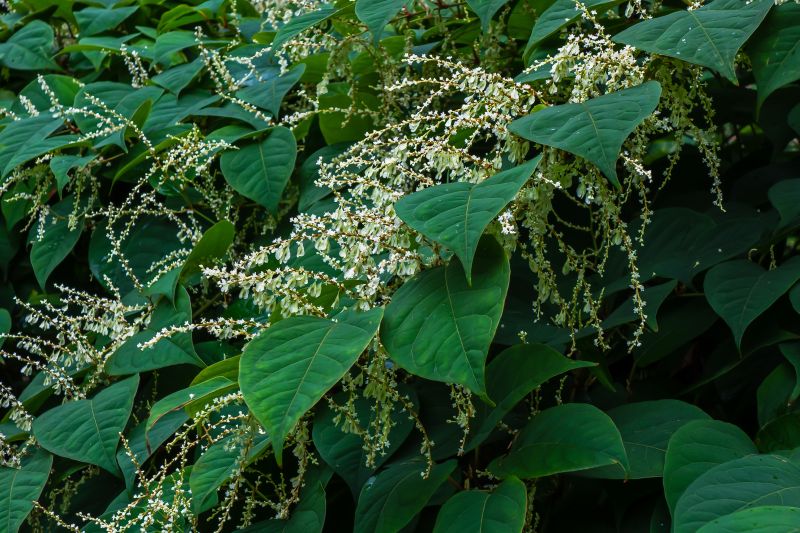
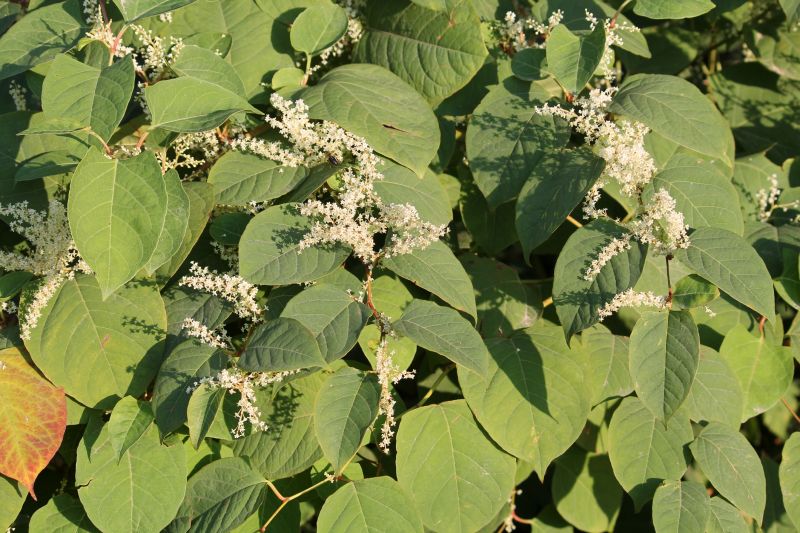
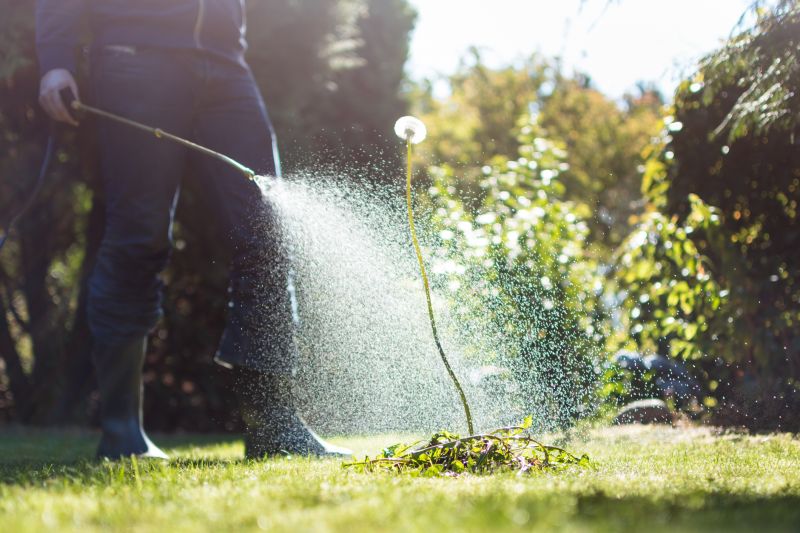
Japanese Knotweed Treatment Services involve specialized methods to identify and eliminate this invasive plant from residential properties. Trained service providers typically perform thorough inspections to assess the extent of the infestation, followed by tailored treatment plans that may include chemical applications, excavation, or other removal techniques. The goal is to eradicate the knotweed completely, preventing it from spreading further and causing additional issues. Proper treatment not only removes the visible plant but also targets underground rhizomes that can regenerate if left untreated.
This service is essential for solving problems related to property damage, planning restrictions, and valuation concerns. Japanese knotweed is known for its aggressive growth, which can compromise building foundations, walls, and pathways if left unchecked. Its presence can also hinder property sales or refinancing, as lenders often view it as a significant risk. Addressing a knotweed infestation promptly with professional treatment can help protect the structural integrity of a property and ensure compliance with local regulations regarding invasive species management.
Japanese Knotweed Treatment Services are commonly sought by homeowners dealing with established infestations on their land. Properties with large gardens, landscaped yards, or areas near buildings are particularly vulnerable. These services are also frequently used in cases where property owners are preparing to sell or develop land, as removing the plant can be a requirement for transaction approval. Additionally, properties that have experienced previous attempts at removal or have visible, persistent growth are good candidates for professional treatment to ensure the problem is fully resolved.
Anyone noticing rapid, invasive growth of Japanese knotweed on their property should consider professional treatment services. This plant often appears as tall, bamboo-like stalks with dense clusters of leaves, typically in areas where it has been previously undetected. Homeowners in areas like Maryville, TN, and surrounding communities may find that local contractors can provide effective solutions to control and remove the plant. Engaging experienced service providers ensures that the job is handled thoroughly and reduces the risk of the knotweed returning or causing further damage to the property.
The overview below groups typical Japanese Knotweed Treatment Service projects into broad ranges so you can see how smaller, mid-sized, and larger jobs often compare in Maryville, TN.
In many markets, a large share of routine jobs stays in the lower and middle ranges, while only a smaller percentage of projects moves into the highest bands when the work is more complex or site conditions are harder than average.
Smaller Removal Jobs - For minor infestations or localized treatment, local contractors typically charge between $250 and $600. Many routine jobs fall within this range, especially for properties with limited knotweed growth.
Moderate-Scale Treatments - Larger areas requiring extensive treatment usually cost between $1,000 and $3,000. These projects are common for medium-sized properties and often involve multiple treatment sessions.
Full Site Remediation - Complete removal of knotweed from an entire property can range from $3,500 to $7,000 or more. Such projects are less frequent and involve comprehensive excavation and treatment efforts.
Complex or Difficult Cases - Very challenging infestations, such as those on steep slopes or with extensive underground rhizomes, may exceed $7,000 and require specialized techniques. These higher-end projects are less typical but handled by experienced local contractors.
Actual totals will depend on details like access to the work area, the scope of the project, and the materials selected, so use these as general starting points rather than exact figures.
Invasive Plant Removal - Professionals experienced in removing invasive plants use similar techniques and tools to control unwanted vegetation like Japanese Knotweed, ensuring effective site management.
Land Clearing and Site Preparation - This type of project involves clearing overgrown areas and preparing land, which requires planning and equipment similar to knotweed treatment efforts.
Root Barrier Installation - Installing root barriers to prevent underground plant spread shares planning and excavation skills with Japanese Knotweed containment strategies.
Soil Treatment and Remediation - Projects that involve treating contaminated or overgrown soil utilize similar chemical and physical methods used in knotweed eradication.
Drainage and Erosion Control Projects - Managing water flow and preventing erosion often involves site assessment and planning skills comparable to those needed for invasive plant control.
Landscape Restoration - Restoring natural landscapes after invasive removal requires coordination of planning, excavation, and planting techniques akin to Japanese Knotweed treatment services.
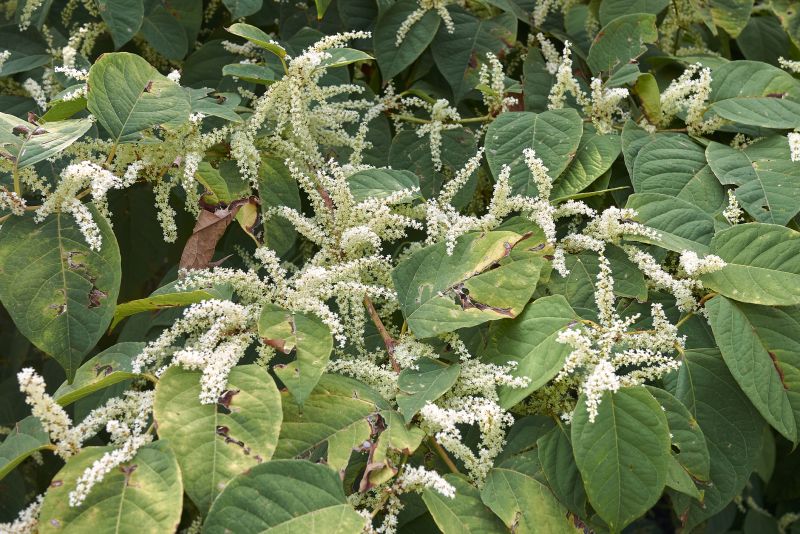
When comparing service providers for Japanese Knotweed treatment, it’s important to consider their experience with similar projects. Homeowners should inquire about how many knotweed removal jobs the contractors have completed in the past, especially those involving properties comparable in size and complexity. A contractor’s familiarity with the specific challenges of knotweed control can indicate their ability to handle the job effectively and efficiently. Well-established local contractors often have a track record of managing these types of projects, which can provide added confidence in their capability to deliver results.
Clear, written expectations are a key factor in choosing the right professional. Homeowners should seek detailed descriptions of the treatment process, including what steps will be taken, any preparations needed, and what the client can expect during and after the service. Transparent communication about the scope of work helps prevent misunderstandings and ensures that everyone is aligned on what the project entails. Reputable service providers typically provide comprehensive documentation and are willing to answer questions to clarify the process before work begins.
Reputable references and strong communication are essential qualities to look for in local contractors. Homeowners can ask for references from previous clients who had similar knotweed issues to gauge the quality of the work and the level of professionalism. Good communication throughout the process-prompt responses, clear explanations, and ongoing updates-can make the experience smoother and more predictable. It’s worth noting that this site functions as a resource to introduce homeowners to trusted local service providers who are capable of handling knotweed treatment, rather than performing the work directly.
Property owners in Maryville, TN use Japanese Knotweed Treatment Service services for practical projects around their homes and businesses. This guide focuses on everyday jobs and straightforward project options.
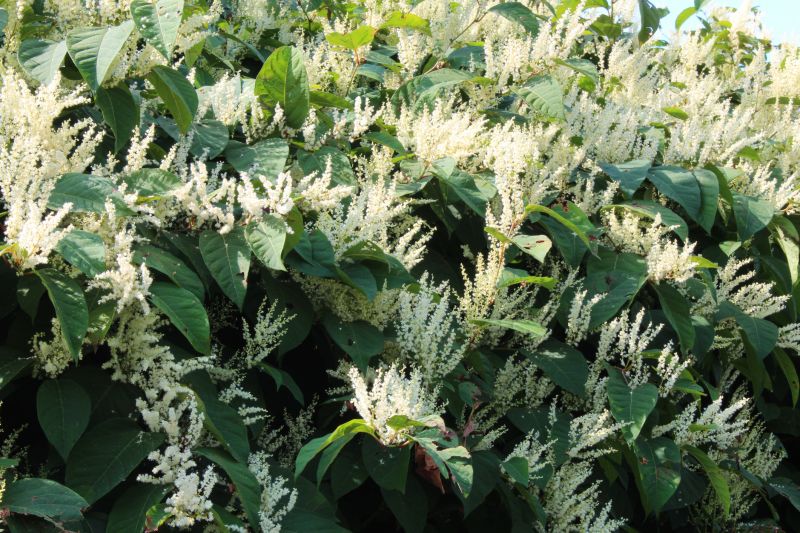
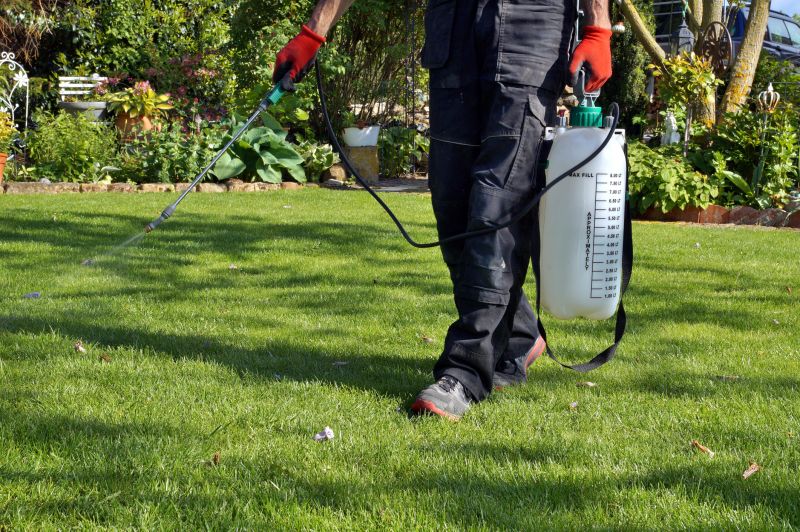
Property owners in Maryville, TN may seek Japanese Knotweed treatment services when they notice aggressive plant growth encroaching on their yards, gardens, or property boundaries. This invasive weed can quickly spread and cause damage to nearby structures, fencing, or landscaping features, making it important to address the issue promptly. Local contractors who specialize in invasive plant removal can assess the situation and recommend appropriate treatment options to help manage and control the spread of Japanese Knotweed.
Homeowners and property managers might also look for Japanese Knotweed treatment services when preparing a property for sale or renovation. The presence of this invasive species can impact property value and complicate construction or landscaping plans. Connecting with experienced service providers in the area can ensure that the plant is properly eradicated, reducing potential legal or financial concerns related to invasive species regulations.
What is Japanese Knotweed and why is it a concern? Japanese Knotweed is an invasive plant that can cause damage to property structures and disrupt local ecosystems. Local contractors can assess the extent of infestation and recommend appropriate treatment options.
How do professionals typically treat Japanese Knotweed? Treatment methods often include herbicide application, excavation, or a combination of both. Service providers can determine the most suitable approach based on the severity of the infestation.
Can Japanese Knotweed be completely eradicated? While complete eradication can be challenging, experienced local contractors aim to significantly reduce or eliminate the plant through targeted treatments and ongoing management strategies.
What signs indicate a Japanese Knotweed problem on a property? Signs include dense, bamboo-like stems, large heart-shaped leaves, and rapid vertical growth. A local professional can perform an inspection to confirm presence and severity.
Is professional treatment necessary for Japanese Knotweed removal? Due to its resilient nature and potential property damage, it is recommended to engage local service providers who specialize in effective removal methods.
Property Renovation Planning - Homeowners can incorporate Japanese Knotweed treatment into renovation projects to ensure invasive plants are managed before construction begins.
Garden and Landscape Management - Gardeners and landscapers can coordinate with service providers to remove knotweed that threatens to overtake planting areas.
Property Sale Preparation - Sellers can arrange for knotweed treatment to address invasive growth and make the property more appealing to buyers.
Land Development Projects - Developers can plan for knotweed removal as part of land clearing efforts to prepare sites for new construction.
If you are thinking about Japanese Knotweed Treatment Service for a property in Maryville, TN, this guide is meant to help you understand the work, the typical project types, and how different options might fit your plans.
When you are ready, you can use the quote form on this page to share a few details about your project. From there, local pros can review the basics and respond with options that match what you have in mind.