Get Japanese Knotweed Treatment Service in North Charleston, SC
Local contractors in North Charleston, SC, can handle Japanese Knotweed removal, containment, and treatment for property owners facing invasive plant issues on residential or commercial sites.
Property owners in North Charleston, SC, who are dealing with Japanese Knotweed often find it necessary to explore professional treatment options to protect their investments and maintain the integrity of their land. Whether preparing a site for construction, safeguarding landscaping, or preventing damage to foundations and drainage systems, addressing this invasive plant is an important step in planning property improvements. By comparing local contractors experienced in Japanese Knotweed treatment, property owners can identify solutions that best fit their specific needs and circumstances.
This is a practical consideration for those seeking reliable, effective management of Japanese Knotweed in the North Charleston area. Local service providers understand the unique challenges posed by this invasive species and can offer tailored approaches to removal and control. Continuing to explore available options can help property owners make informed decisions about protecting their land and ensuring it remains healthy and secure.
- Residential property clearance - needed when Japanese Knotweed has taken over gardens or yards in neighborhoods like North Charleston, SC.
- Commercial site management - required for businesses facing invasive growth on office grounds or parking areas.
- Property renovation preparation - necessary before construction or landscaping projects in areas affected by Knotweed.
- Boundary line control - important when invasive plants threaten to encroach on neighboring properties in local communities.
- Environmental restoration - sought after for restoring natural habitats impacted by Japanese Knotweed infestations.
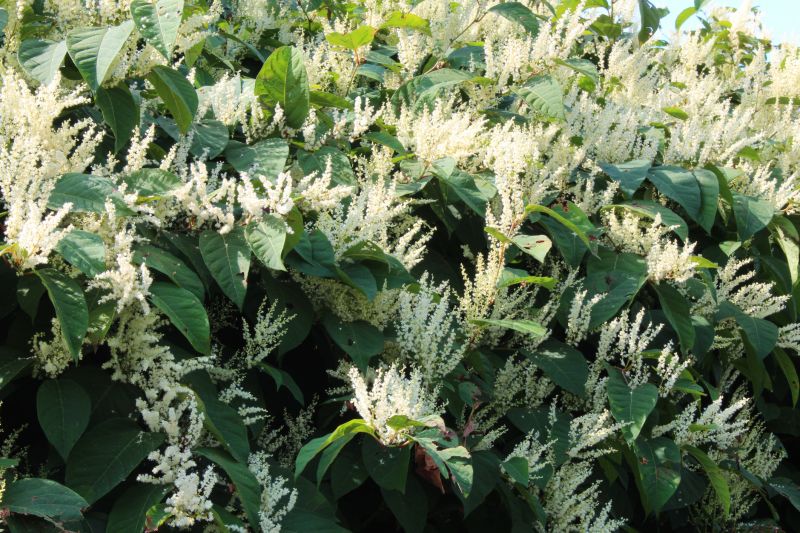
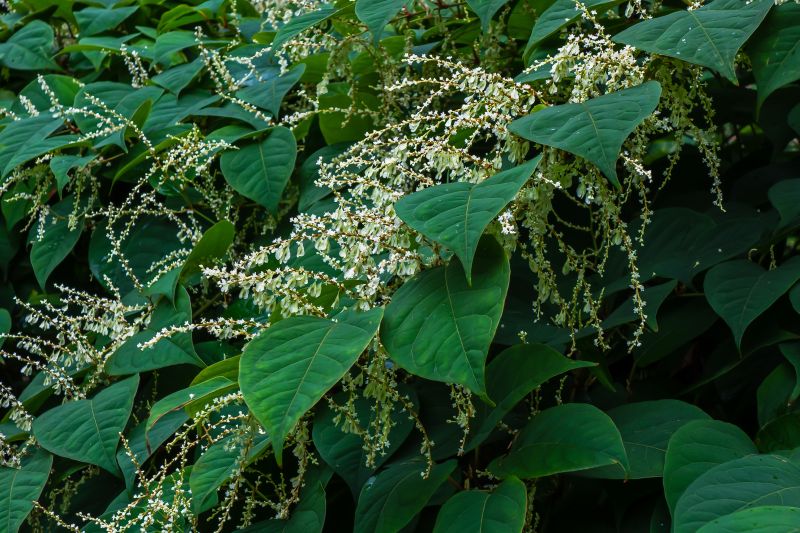
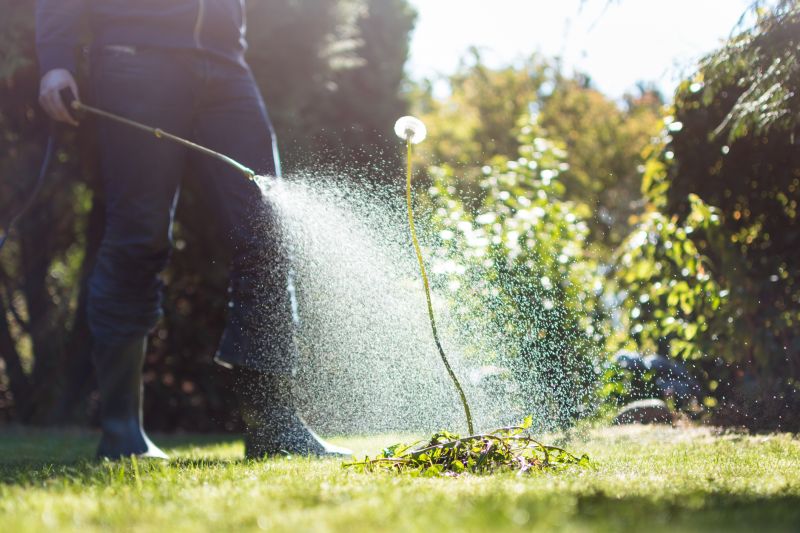
Japanese Knotweed treatment services involve specialized methods to identify, control, and remove this invasive plant from residential properties. Trained service providers typically conduct a thorough assessment to determine the extent of the infestation, which often involves inspecting the affected areas and sometimes taking samples for analysis. Once the problem is diagnosed, they employ targeted removal techniques that may include chemical treatments, excavation, or a combination of methods to ensure the knotweed is effectively eradicated. The goal is to prevent the plant from spreading further and to restore the landscape to its natural state, helping homeowners protect their property and peace of mind.
This service is essential for addressing a range of problems caused by Japanese Knotweed. The plant’s aggressive growth can compromise building foundations, underground utilities, and drainage systems, leading to costly structural damage. It also has the potential to encroach on neighboring properties, creating disputes or legal issues related to property boundaries. Additionally, knotweed can interfere with garden aesthetics and reduce property value. Homeowners who notice rapid, dense growth of bamboo-like stalks, or who find the plant spreading into their yard, should consider professional treatment to manage and eliminate the infestation before it worsens.
Japanese Knotweed treatment services are commonly sought by homeowners with properties in areas prone to invasive plant growth, such as North Charleston, SC, and surrounding communities. These services are often used when preparing a property for sale, as lenders and surveyors may require the removal of invasive species before approving transactions. They are also valuable for those who have discovered knotweed on their land following landscaping or construction activities, or after noticing the plant encroaching on their garden or lawn. Whether for preventative measures or active removal, these services help property owners maintain control over their outdoor spaces.
Property types that typically benefit from Japanese Knotweed treatment include residential homes, particularly those with gardens or landscaped areas. It is also common for service providers to work on small plots of land adjacent to commercial buildings, shared community spaces, or vacant lots where the plant has taken hold. In all cases, prompt professional intervention can help prevent further spread and protect the integrity of the property. Homeowners experiencing unusual plant growth or suspecting an infestation should contact local service providers to evaluate the situation and explore effective removal options.
The overview below groups typical Japanese Knotweed Treatment Service projects into broad ranges so you can see how smaller, mid-sized, and larger jobs often compare in North Charleston, SC.
In many markets, a large share of routine jobs stays in the lower and middle ranges, while only a smaller percentage of projects moves into the highest bands when the work is more complex or site conditions are harder than average.
Smaller Removal Jobs - Typical costs for removing small patches of Japanese Knotweed generally range from $250 to $600. Many routine jobs fall within this range, especially for localized infestations on residential properties.
Moderate Treatment Projects - Larger, more established infestations often cost between $1,000 and $3,000. These projects may involve multiple treatment sessions and can vary based on the size and complexity of the area.
Extensive Land Clearance - Complete removal of Japanese Knotweed from large properties can range from $3,500 to $8,000 or more. Fewer projects reach this high tier, but they are necessary for extensive or heavily infested sites.
Full Site Reclamation - For comprehensive restoration, including soil treatment and landscaping, costs can exceed $10,000. Such projects are less common and typically involve significant site preparation and remediation efforts.
Actual totals will depend on details like access to the work area, the scope of the project, and the materials selected, so use these as general starting points rather than exact figures.
Garden invasive plant removal - professionals skilled in identifying and extracting invasive species, similar to managing Japanese Knotweed infestations.
Landscape clearance projects - involve planning and executing site clearing, which shares techniques used in knotweed treatment site preparation.
Pest and weed control services - require knowledge of plant behavior and targeted removal methods akin to Japanese Knotweed eradication.
Soil remediation and treatment - involve assessing and treating contaminated or invasive soils, paralleling knotweed root management strategies.
Construction site preparation - includes clearing and stabilizing land, often requiring removal of invasive plants before development.
Groundworks and landscaping projects - involve site planning and plant management skills that are useful in controlling invasive species like Japanese Knotweed.
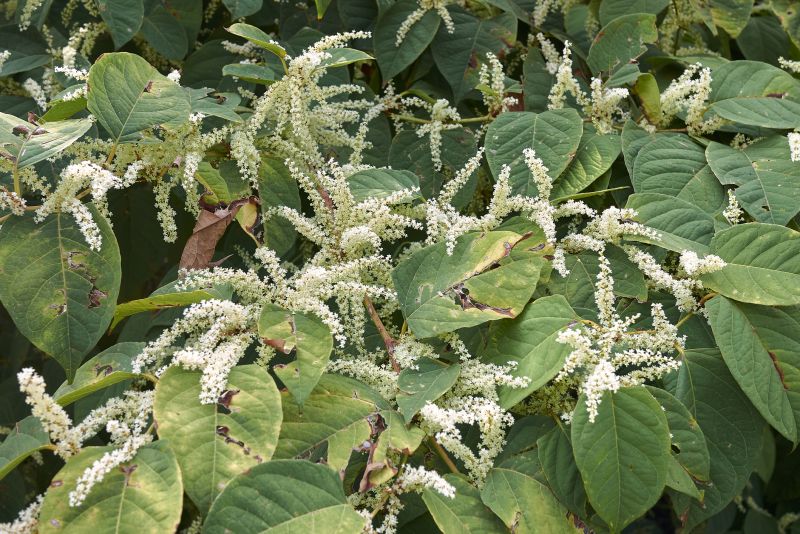
When comparing service providers for Japanese Knotweed treatment, it’s important to consider their experience with similar projects. Homeowners should inquire about the types of properties and situations the contractors have handled in the past, ensuring they have a solid track record of managing knotweed issues effectively. An experienced contractor will be familiar with the specific challenges that can arise during treatment and will be more likely to offer solutions tailored to the unique needs of North Charleston homes and landscapes.
Clear and detailed written expectations are essential when evaluating local contractors. Homeowners should seek providers who can articulate their treatment approach, what the process involves, and any necessary follow-up steps. Having a transparent outline of what to expect helps ensure there are no surprises and that the homeowner understands the scope of work, the methods used, and the anticipated outcomes. This clarity can make it easier to compare different options and select a service provider that aligns with the homeowner’s goals.
Reputable references and good communication are key indicators of a reliable contractor. Homeowners are encouraged to ask for references from previous clients who had similar knotweed issues, as this can provide insights into the contractor’s professionalism and effectiveness. Additionally, service providers who are responsive, clear in their communication, and willing to answer questions demonstrate a level of professionalism that can contribute to a smoother, more confident experience. Remember, this site is designed to introduce homeowners to local options; it does not perform the work itself, but helps connect individuals with trusted local contractors capable of handling the job.
Property owners in North Charleston, SC use Japanese Knotweed Treatment Service services for practical projects around their homes and businesses. This guide focuses on everyday jobs and straightforward project options.
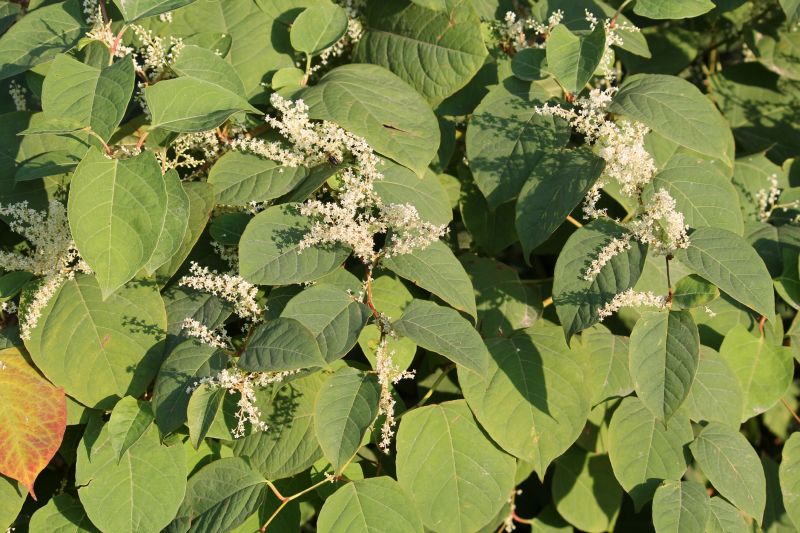
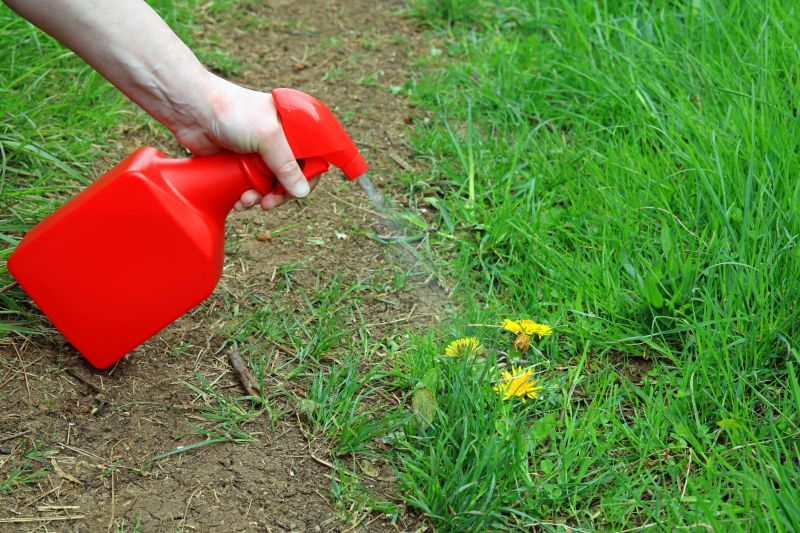
Japanese knotweed can quickly become a concern for property owners in North Charleston, especially if it starts to spread into gardens, driveways, or neighboring properties. Homeowners and business owners may seek professional treatment when they notice this invasive plant taking over their land, making it difficult to maintain or develop the property as planned. Local contractors specializing in knotweed removal can assess the extent of the infestation and recommend effective solutions to help restore the land’s appearance and usability.
Property owners often turn to nearby service providers when they want to prevent knotweed from causing structural damage or affecting property value. Whether facing a small patch in a backyard or a larger area that threatens foundations, local experts can provide targeted treatment options. These professionals understand the specific challenges of managing Japanese knotweed in North Charleston and can help property owners address the issue before it becomes more costly or complicated to control.
What is Japanese Knotweed and why is it a concern? Japanese Knotweed is an invasive plant that can cause damage to structures and disrupt local ecosystems, making professional treatment important for property protection.
How do local contractors typically treat Japanese Knotweed? They often use methods such as herbicide application, excavation, or a combination of both to effectively manage and remove Japanese Knotweed infestations.
Can Japanese Knotweed treatments prevent future growth? Yes, proper treatment by experienced service providers can help control existing plants and reduce the likelihood of regrowth in treated areas.
What should property owners do before hiring a Japanese Knotweed treatment service? Property owners should assess the extent of the infestation and contact local contractors to discuss suitable treatment options for their situation.
How can I find qualified service providers for Japanese Knotweed removal? This site connects property owners with local contractors experienced in Japanese Knotweed treatment to help compare options and find the right professional for the job.
Property Clearance Planning - Property owners can explore professional services to safely remove Japanese Knotweed before starting new landscaping or construction projects.
Landscaping and Garden Maintenance - Homeowners can work with local contractors to manage or eradicate Knotweed in garden areas to protect other plants and improve curb appeal.
Property Sale Preparation - Sellers can utilize treatment services to address Knotweed issues, helping to ensure the property meets local regulations and buyer expectations.
Environmental Management - Landowners can seek expert assistance to control Knotweed growth on vacant or neglected land, preventing it from spreading to neighboring properties.
If you are thinking about Japanese Knotweed Treatment Service for a property in North Charleston, SC, this guide is meant to help you understand the work, the typical project types, and how different options might fit your plans.
When you are ready, you can use the quote form on this page to share a few details about your project. From there, local pros can review the basics and respond with options that match what you have in mind.