Get Japanese Knotweed Treatment Service in Milford, MA
Local contractors in Milford, MA, can help property owners remove Japanese knotweed to prevent property damage and prepare land for construction or landscaping projects.
Property owners in Milford, MA facing concerns about Japanese knotweed often seek effective treatment options to protect their investments and maintain the integrity of their landscapes. This invasive plant can cause significant damage to foundations, driveways, and other structures if left unmanaged, making professional removal and control services a practical consideration for those planning property improvements or safeguarding their land. Exploring local contractor options allows homeowners and property managers to compare approaches and identify experienced service providers capable of addressing this challenge effectively.
By reviewing available Japanese knotweed treatment services in the Milford area, property owners can better understand the solutions suited to their specific needs. Connecting with local contractors enables informed decisions about managing this invasive species, ensuring that the work aligns with property goals and long-term preservation plans. Keep reading to learn more about the options and how local experts can assist in tackling Japanese knotweed issues efficiently.
- Japanese Knotweed Removal - needed when invasive plants threaten property foundations or landscaping in neighborhoods around Milford, MA.
- Knotweed Treatment - essential for homeowners dealing with persistent growth that compromises garden spaces or pathways.
- Invasive Plant Control - required when Japanese knotweed encroaches on nearby wooded areas or vacant lots in local communities.
- Property Preservation Services - sought after by residents looking to prevent damage caused by aggressive plant species near structures.
- Vegetation Management - necessary for commercial or residential properties experiencing rapid knotweed spread in the Milford area.
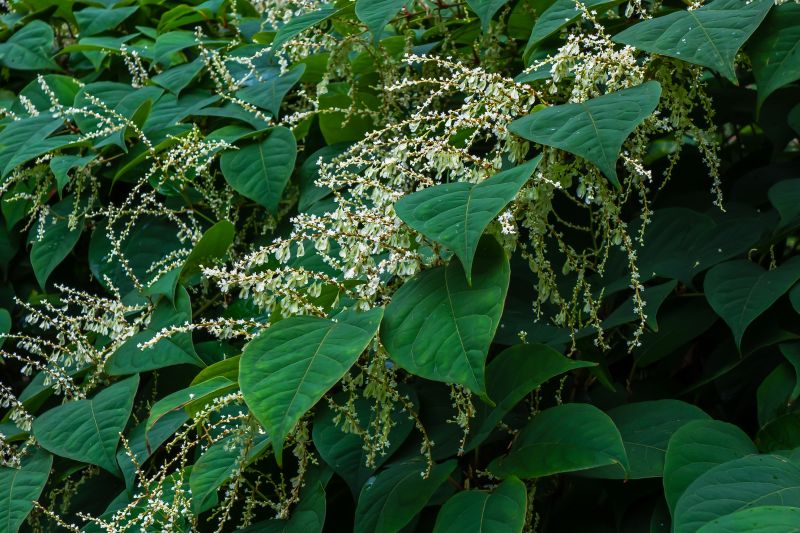
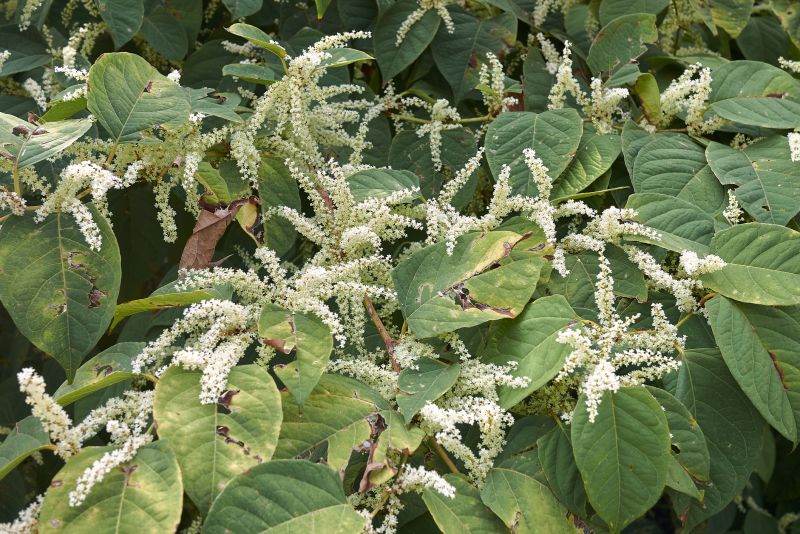
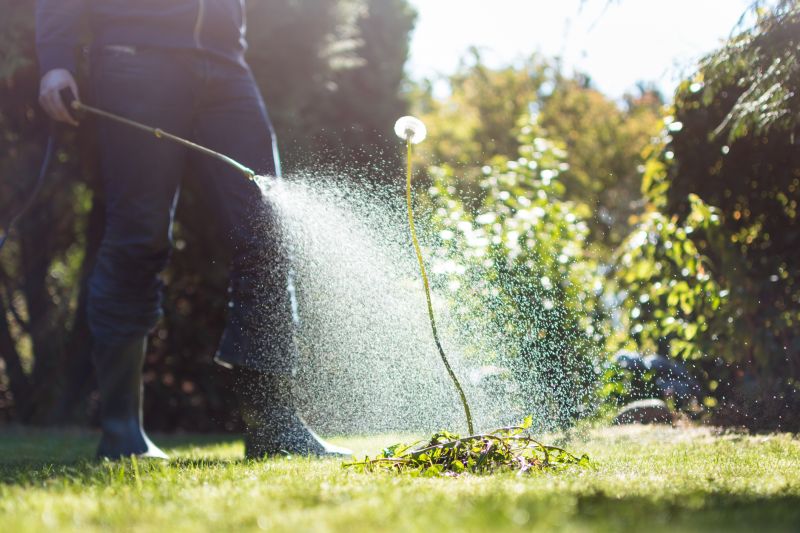
Japanese Knotweed treatment services involve specialized methods to safely and effectively remove this invasive plant from residential and commercial properties. The process typically begins with a thorough assessment to identify the extent of the infestation and determine the most appropriate removal strategy. Depending on the severity, treatment options may include chemical herbicides, physical removal, or a combination of both. The goal is to eliminate the plant’s roots and prevent regrowth, helping to restore the property’s natural landscape and prevent further spread.
This invasive species is known for causing significant problems for property owners. Its rapid growth can damage foundations, walls, paving, and drainage systems by exerting pressure as it spreads underground. Japanese Knotweed can also impact property values and complicate future development or sale of a property. Treatment services help solve these issues by controlling or eradicating the plant, reducing the risk of structural damage, and ensuring compliance with local regulations regarding invasive species management.
Japanese Knotweed treatment is often sought by homeowners who notice rapid, aggressive growth in their gardens or around their properties. It is also common among property owners planning renovations, extensions, or new construction, as the presence of this plant can delay or complicate such projects. Commercial properties, especially those with outdoor spaces or land for development, also utilize treatment services to manage infestations and maintain property integrity. In general, anyone experiencing issues with this invasive weed or concerned about its potential impact may benefit from consulting local contractors experienced in Knotweed removal.
Professional Japanese Knotweed treatment services are suitable for a variety of property types, including single-family homes, multi-unit residential buildings, and commercial sites. These services are especially valuable in areas where the plant has become established and poses a risk to structures or land use plans. Property owners who want to protect their investments, prevent future problems, or comply with local regulations often turn to experienced service providers for effective removal solutions. Contacting local contractors can help determine the best approach to manage Japanese Knotweed and safeguard property values.
The overview below groups typical Japanese Knotweed Treatment Service projects into broad ranges so you can see how smaller, mid-sized, and larger jobs often compare in Milford, MA.
In many markets, a large share of routine jobs stays in the lower and middle ranges, while only a smaller percentage of projects moves into the highest bands when the work is more complex or site conditions are harder than average.
Smaller Treatments - Typical costs for minor Japanese Knotweed treatments range from $250 to $600. Many routine jobs fall within this range, especially for localized infestations or small areas needing removal.
Moderate-Scale Projects - Larger, more extensive treatments usually cost between $1,000 and $3,000. These projects often involve multiple treatment sessions and larger affected areas handled by local contractors.
Full Site Removals - Complete removal of Japanese Knotweed from a property can range from $3,500 to $7,000. Such projects are less common but necessary for severe infestations or where property value is impacted.
Complex or Large-Scale Jobs - Very extensive or complicated treatments, including site remediation and landscaping, can reach $8,000 or more. These are typically reserved for large properties or challenging environments and are less frequent.
Actual totals will depend on details like access to the work area, the scope of the project, and the materials selected, so use these as general starting points rather than exact figures.
Invasive Plant Removal - Local contractors experienced in removing invasive plants often use similar techniques and tools as those needed for Japanese Knotweed treatment to prevent regrowth.
Landscape Restoration - Projects involving restoring disturbed landscapes require planning and root management skills comparable to Japanese Knotweed control efforts.
Soil Excavation and Remediation - Soil removal and treatment services are related, as both require careful planning to eliminate invasive root systems and prevent re-infestation.
Foundation and Basement Waterproofing - Waterproofing work involves managing plant roots and soil conditions, aligning with the skills used in controlling Japanese Knotweed near structures.
Drainage System Installation - Installing drainage solutions often involves soil and root management, similar to the planning needed for Japanese Knotweed mitigation.
Site Clearing and Demolition - Clearing overgrown areas and preparing sites for development require expertise in removing stubborn plant roots like Japanese Knotweed.
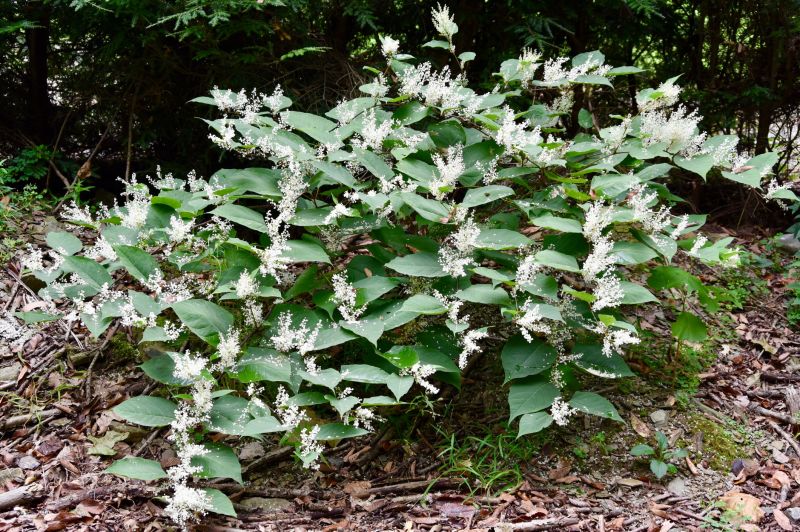
When evaluating service providers for Japanese Knotweed treatment, it’s important to consider their experience with similar projects. Homeowners should look for local contractors who have a proven track record of successfully managing knotweed issues in properties comparable to their own. An experienced professional will be familiar with the specific challenges that can arise during treatment and will have developed effective strategies to address them. This familiarity can help ensure that the work is handled efficiently and thoroughly, reducing the risk of future growth or re-infestation.
Clear, written expectations are essential when choosing a contractor. Homeowners should seek providers who can offer detailed descriptions of the scope of work, methods used, and what results to expect. Having this information in writing helps prevent misunderstandings and provides a reference point throughout the project. It’s also beneficial to inquire about the process for addressing any concerns or issues that may arise, ensuring that the contractor’s communication is transparent and responsive.
Reputable references and strong communication skills are key indicators of a reliable service provider. Homeowners are encouraged to ask potential contractors for references from previous clients, especially those with similar projects. This can provide insight into the quality of work and professionalism. Additionally, good communication-such as timely responses, clarity in explanations, and willingness to answer questions-can make the process smoother and more predictable. The site serves as a resource to connect homeowners with trusted local options, helping to identify professionals who meet these important criteria for effective Japanese Knotweed treatment.
Property owners in Milford, MA use Japanese Knotweed Treatment Service services for practical projects around their homes and businesses. This guide focuses on everyday jobs and straightforward project options.
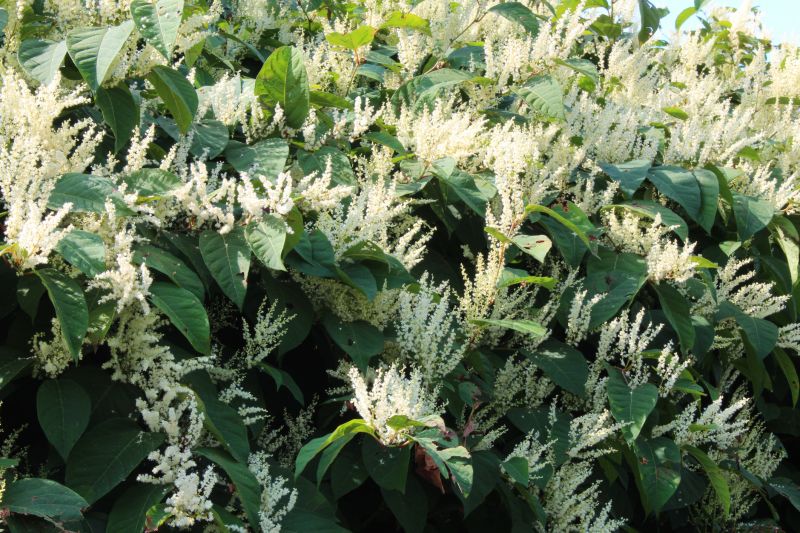
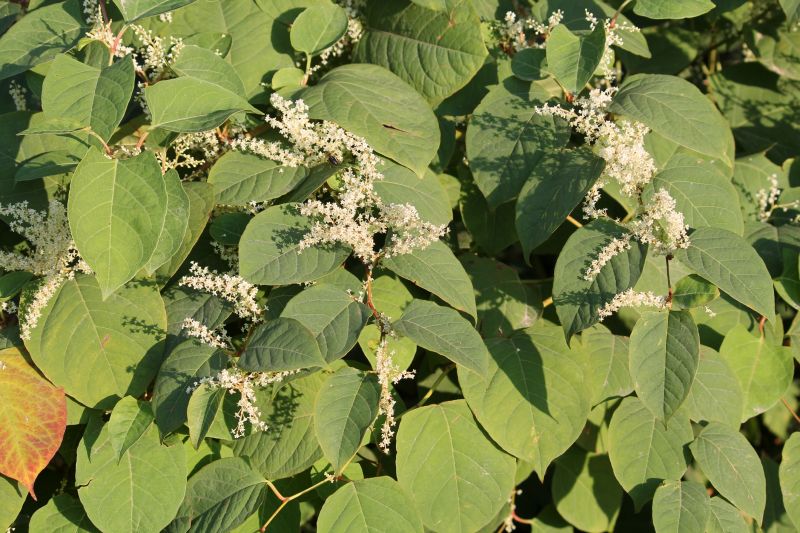
Property owners in Milford, MA might seek Japanese Knotweed treatment services when invasive plants begin to spread across their yards or encroach on structures. This common issue can arise during routine landscaping or after noticing unusual plant growth that threatens to damage foundations, fences, or drainage systems. Local contractors experienced with invasive species can assess the situation and recommend appropriate removal methods to prevent further spread and protect property value.
Homeowners may also look for Japanese Knotweed treatment when planning for property sales or renovations, as this invasive plant can impact property transactions and land use plans. In such cases, local service providers can offer solutions to eliminate the plant and ensure the property meets regulatory or lender requirements. Connecting with experienced contractors can help address these concerns efficiently, making it easier to maintain a safe and attractive property in Milford.
What is Japanese Knotweed and why is it a concern? Japanese Knotweed is an invasive plant that can cause damage to structures and landscaping. Local contractors can assess its presence and recommend appropriate treatment options.
How do professionals treat Japanese Knotweed? Treatment methods typically include herbicide application, excavation, or a combination of techniques, depending on the extent of the infestation. Local service providers can determine the best approach for each situation.
Is removal of Japanese Knotweed necessary for my property? Removal may be necessary to prevent property damage and comply with local regulations. Local contractors can evaluate whether treatment or removal is appropriate for your property.
Can Japanese Knotweed grow back after treatment? While proper treatment can significantly reduce or eliminate the plant, there is a possibility of regrowth. Local experts can provide advice on ongoing management to prevent recurrence.
How do I find local contractors who specialize in Japanese Knotweed treatment? You can contact service providers in your area who offer invasive plant management services. They can provide assessments and recommend suitable treatment options for your property.
Property Renovation Planning - Homeowners considering landscaping or extension projects can explore Japanese Knotweed treatment options to prevent future growth issues.
Property Sale Preparation - Sellers can ensure their land is clear of invasive plants like Japanese Knotweed to meet local property regulations and improve marketability.
Land Management Strategies - Landowners managing large plots can coordinate with local contractors to address Japanese Knotweed before it spreads further.
Garden and Yard Maintenance - Gardeners and landscapers can incorporate Japanese Knotweed removal into regular maintenance routines to keep outdoor spaces healthy.
If you are thinking about Japanese Knotweed Treatment Service for a property in Milford, MA, this guide is meant to help you understand the work, the typical project types, and how different options might fit your plans.
When you are ready, you can use the quote form on this page to share a few details about your project. From there, local pros can review the basics and respond with options that match what you have in mind.