
Expert Picks Of Products For Japanese Knotweed Treatment Solutions
Learn about the top-rated products recommended by specialists to enhance your Japanese Knotweed treatment process.
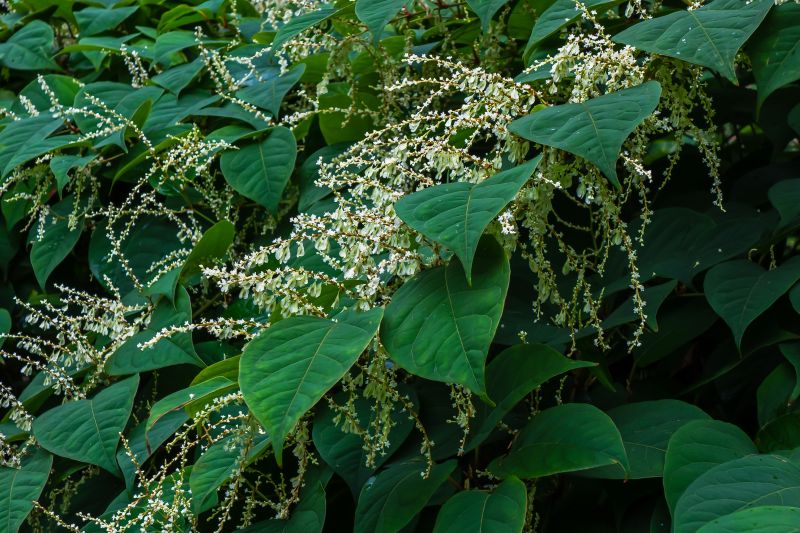 Japanese Knotweed is a highly invasive plant species known for its rapid growth and resilience, often posing challenges to property owners and land managers. Effective treatment options require a combination of suitable products and consistent application to manage and control its spread. Various products are designed to target different stages of the plant's lifecycle, from foliar sprays to root inhibitors, helping to suppress regrowth and facilitate removal efforts. When selecting treatments, it's important to consider the specific characteristics of the infestation, including plant size, location, and severity.
Top Overall Option
Herbicide Concentrate for Knotweed Control
A versatile herbicide concentrate formulated to target Japanese Knotweed effectively when mixed with water and applied directly to the foliage. It offers a reliable option for property owners seeking a consistent and manageable treatment method, suitable for various infestation sizes. Proper application and timing are essential for optimal results, and it is recommended to follow safety guidelines and local regulations. This product provides a practical solution for those looking to incorporate chemical control into their management plan.
Types of Products For Japanese Knotweed Treatment Service
Foliar Herbicide Sprays
Sprays designed for direct application to the leaves of Japanese Knotweed, facilitating rapid absorption and targeted control during active growth periods.
Soil Sterilants
Products applied to soil to prevent root and rhizome regrowth, often used after cutting back the plant.
Concentrated Herbicide Mixes
Highly concentrated solutions that can be diluted for application, providing flexibility in treatment intensity.
Root Inhibitors
Chemical formulations designed to penetrate and inhibit root and rhizome activity, reducing the likelihood of regrowth.
Glycosate-based Herbicides
Commonly used for broadleaf weed control, effective when applied directly to Japanese Knotweed during its active phase.
Systemic Herbicides
Products that are absorbed and transported throughout the plant, targeting both above-ground and underground parts.
Triclopyr Formulations
Herbicides containing Triclopyr that are effective against woody and invasive plants like Japanese Knotweed.
Glyphosate-based Products
Widely used systemic herbicides suitable for foliar application to control large infestations.
Selective Weed Killers
Herbicides formulated to target Japanese Knotweed while minimizing impact on surrounding plants.
Pre-emergent Herbicides
Products applied before new growth appears to prevent establishment and spread.
Herbicide Foam
Foam-based formulations that adhere to plant surfaces, allowing for targeted application especially in hard-to-reach areas.
Bark and Trunk Sprays
Formulations designed for application directly on woody parts to inhibit growth and spread.
Popular Choices
A widely used systemic herbicide effective against various invasive plants, often applied during active growth phases.
Sprays designed for quick absorption through leaves, suitable for treating large infestations.
Highly concentrated solutions that can be diluted for tailored application needs.
Products aimed at penetrating underground parts to reduce regrowth potential.
Effective against woody and invasive plants, often used in combination with other control methods.
Applied to soil to prevent new growth, particularly useful after cutting back the plant.
Absorbed and transported through the plant for comprehensive control.
Adheres to plant surfaces for targeted treatment, especially in difficult areas.
Designed to minimize impact on surrounding vegetation while targeting Knotweed.
Prevents new growth from establishing, aiding in long-term control.
Thick formulations for direct application on stems and roots, reducing runoff.
Treatment products typically fall into categories such as chemical herbicides, soil sterilants, and specialized foliar sprays. Chemical herbicides are widely used for their ability to penetrate plant tissues and inhibit growth, but their effectiveness depends on proper application techniques and timing. Soil sterilants may be employed to prevent regrowth from roots and rhizomes, especially in cases where the plant has been cut back repeatedly. Foliar sprays are designed for quick absorption through leaves, providing a rapid response to active growth periods. Combining these approaches often yields the best results, but always with careful attention to safety and application instructions.
Proper handling and application of these products are crucial to avoid unintended damage to surrounding vegetation or ecosystems. Protective gear, accurate dosage, and adherence to label instructions help ensure safe and effective use. Additionally, ongoing monitoring and repeated treatments may be necessary to fully eradicate Japanese Knotweed, as residual roots can lead to regrowth even after initial control efforts. Consulting with a professional or specialist can provide tailored strategies based on the specific site conditions and infestation level, ensuring a comprehensive approach to management.
Key Buying Considerations
- Identify the severity and extent of the Knotweed infestation to select appropriate treatment products.
- Consider the application method that best suits the site, such as foliar spray, soil treatment, or targeted stem application.
- Check the active ingredients to ensure compatibility with local regulations and safety requirements.
- Evaluate the product's ease of use, including mixing, application, and safety precautions.
- Determine if the product is suitable for your specific environment, including nearby plants and structures.
- Review the recommended timing for application to maximize effectiveness during active growth periods.
- Assess the need for multiple treatments and ongoing monitoring for successful control.
- Consider the potential impact on surrounding vegetation and ecosystems.
- Look for products with clear instructions and safety guidelines for proper handling.
- Verify storage requirements and shelf life to ensure product stability over time.
- Consult local regulations regarding chemical use and disposal to remain compliant.
- Evaluate the availability of professional support or advice from suppliers or specialists.
- Determine if the product is suitable for your level of experience with chemical treatments.
- Consider budget constraints and the cost-effectiveness of treatment options.
- Research user reviews and feedback to gauge real-world effectiveness and safety.